I once baked a gluten-free cake that could double as a doorstop. It was supposed to be a birthday surprise for my sister, but the only surprise was how something so small could weigh so much. My first attempt at gluten-free baking turned into an exercise in humility, watching as our family dog sniffed it and walked away with a look that needed no translation. I had thought mixing almond flour and xanthan gum would magically create a fluffy masterpiece. Instead, it was a culinary wake-up call: gluten-free baking is an art form that doesn’t suffer fools lightly.
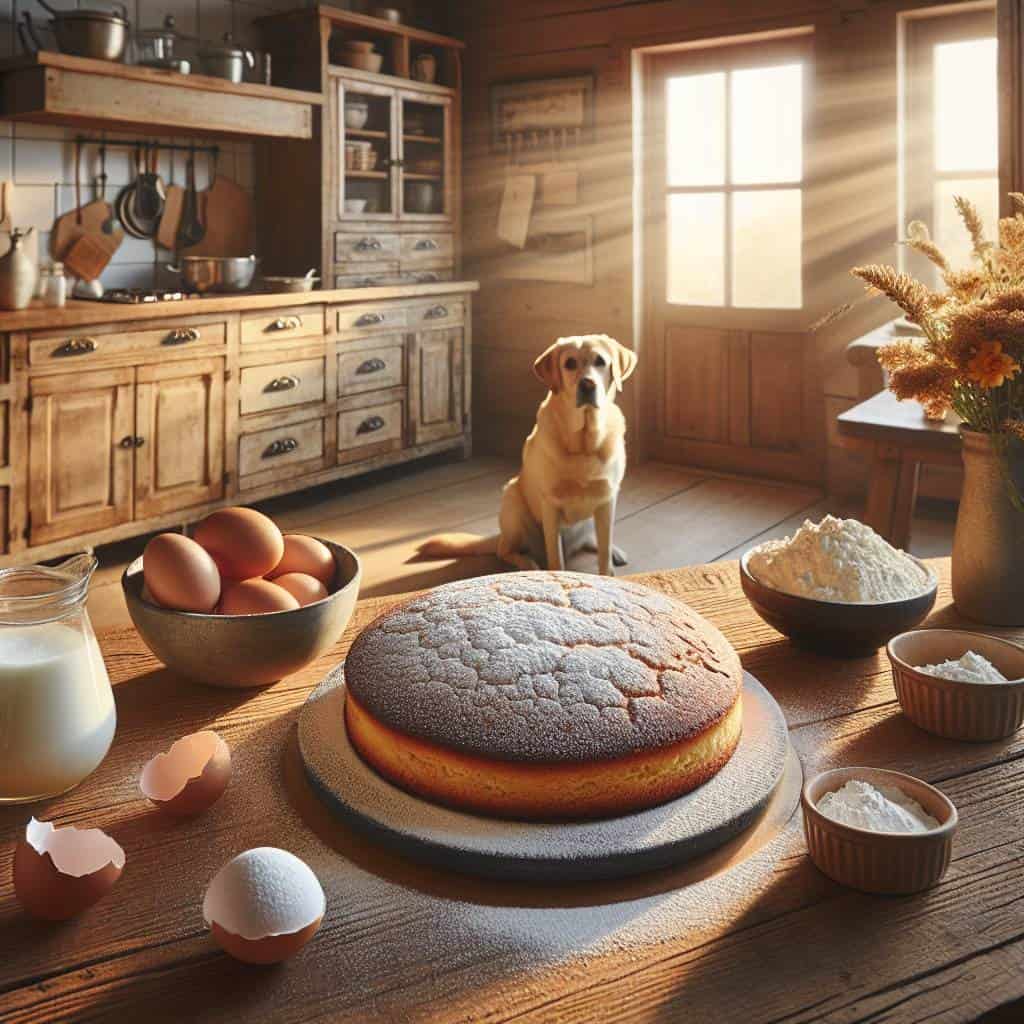
So, what did I learn from my gluten-free debacles? Well, I’m here to share those hard-earned lessons with you, dear reader. Expect tales of almond flour’s temperamental nature and the delicate balance of xanthan gum. We’ll explore substitution ideas that don’t leave your muffins resembling hockey pucks. Whether you’re a seasoned baker or just someone who’s tired of eating sad gluten-free imitations, this article promises to be your guide through the land of alternatives, with a few laughs and a lot of kitchen-tested wisdom along the way.
Table of Contents
Almonds, Xanthan, and Other Adventures in Flour Substitution
In the rustic dance of gluten-free baking, almonds and xanthan gum play their parts like unexpected heroes. Picture this: almonds, usually the silent, crunchy co-stars in your salads, suddenly take center stage, ground into a fine flour that brings a nutty richness to your baked goodies. But beware—almond flour is like that friend who’s perfect in small doses. Use too much, and your cake might just morph into a dense, chewy brick. The trick is balance, blending it with other flours to get a texture that whispers ‘delicious’ rather than screams ‘gluten-free experiment gone awry’.
And then there’s xanthan gum—the peculiar character in our floury saga. It’s the gluten-free world’s equivalent of duct tape. A touch of this stuff and your dough magically holds together, defying the odds and gravity. But overdo it, and you’re left with something akin to rubber. Xanthan gum doesn’t have a taste, but its absence is palpable when your lovingly crafted bread crumbles at the first cut. It’s a delicate dance, folks—too much, too little, and you find yourself in a baking disaster zone. But get it right, and you might just find yourself in a gluten-free wonderland, where the grass is greener, and the bread actually rises.
The Almond Flour Epiphany
Almond flour is my muse, whispering secrets of texture and taste where xanthan gum is merely the understudy trying not to trip.
The Unseen Alchemy of Gluten-Free Baking
Reflecting on my gluten-free escapades, I see them as a dance—a delicate waltz with almond flour and xanthan gum leading the way. Almond flour, with its nutty whisper, has become a dear friend, always ready to lend its rich character to my kitchen experiments. And let’s not forget xanthan gum, that mystical binder of worlds, convincing stubborn ingredients to get along as if it were the host of a particularly difficult dinner party.
What I’ve learned isn’t just about baking, but about embracing the unexpected. A lesson in finding beauty in the cracks and crumbles that inevitably appear, like the cracks in a well-loved farmhouse table. The alchemy of gluten-free baking isn’t about perfection. It’s about the joy of creation, the mystery of substitution, and the quiet satisfaction in the knowledge that each attempt, each failure, each triumph, is uniquely mine. This journey, with its pitfalls and peaks, has woven itself into the fabric of my rural roots, adding a rich tapestry of flavors that keeps calling me back to the mixing bowl.