I once spent a small fortune on fancy turmeric capsules, convinced they were my ticket to a pain-free life. I even dabbled in the whole “leafy greens will save us all” movement. You name it, I tried it. But here’s the kicker – I still felt like a rusty hinge every morning. Turns out, chasing after every anti-inflammatory trend without understanding a lick of it is a lot like thinking a new pair of sneakers will turn you into an Olympic sprinter. It’s not the magic pill we all wish it were. So, here I am, a little wiser, a little more skeptical, ready to cut through the glossy promises and find out what really works.
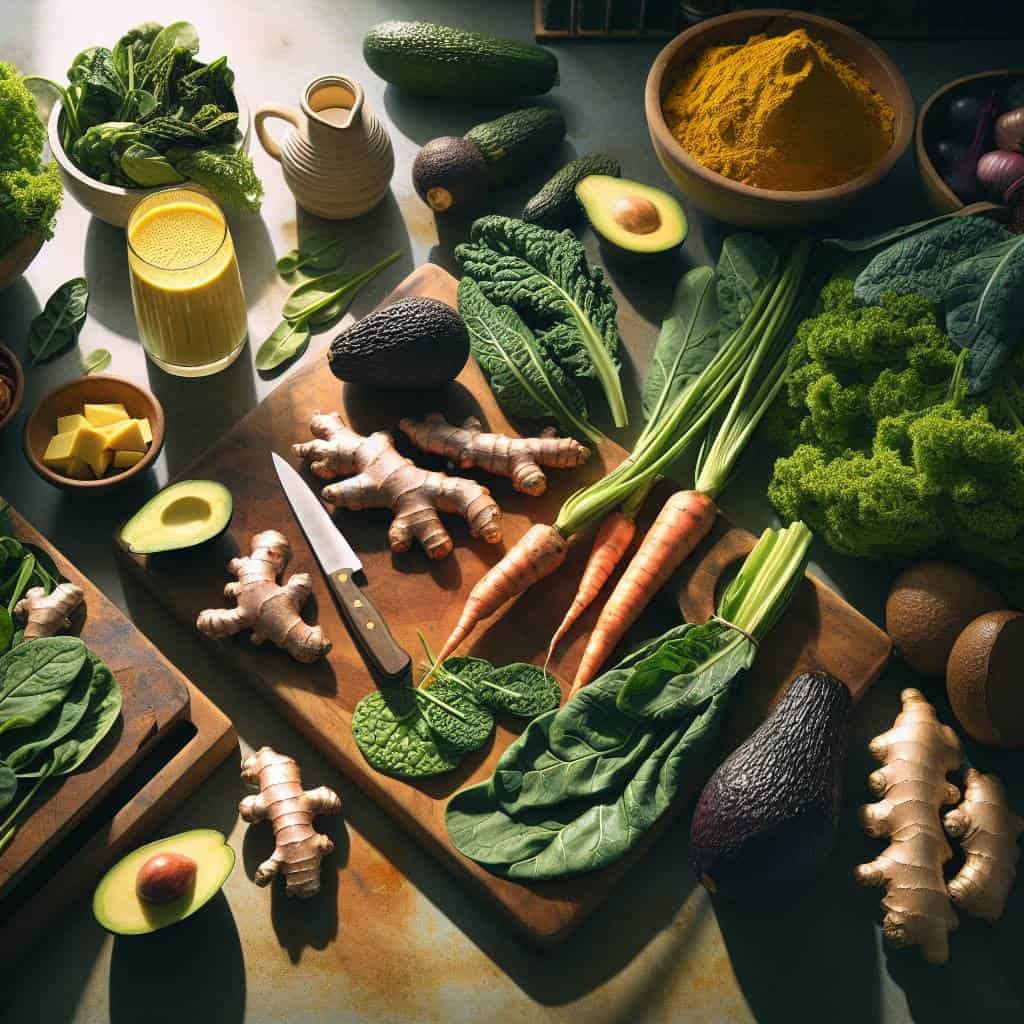
Now, if you’re expecting a list of miracle foods, you’re reading the wrong article. But if you want a no-nonsense dive into what these anti-inflammatory ideas really boil down to, you’ve come to the right place. We’ll sift through the turmeric hype, the leafy green propaganda, and the omega-3 hoopla. No fluff, no fairy tales. Just a raw look at what might actually help you feel a little less like a creaky old door and a bit more like yourself again. Let’s get down to it.
Table of Contents
The Unlikely Friendship Between My Fork and Turmeric
Turmeric and my fork have this peculiar relationship that defies culinary norms. You see, turmeric isn’t just a spice; it’s a rebellious little root that dares to stain everything it touches with its bold, golden hue. And my fork? It’s the trusty sidekick, ready to dive into the vibrant chaos of my plate. The truth is, this friendship didn’t happen overnight. It took time, a few stained napkins, and a lot of trial and error to realize they were meant for each other. Turmeric’s warm, earthy embrace has a knack for transforming humble ingredients into something that whispers, “I’m here to heal.
But let’s not kid ourselves. Turmeric alone isn’t a magic bullet against inflammation. It’s part of a bigger picture, a harmonious blend of foods that work together like a well-rehearsed band. Leafy greens, for instance, are the quiet yet powerful backup singers, rich in antioxidants that keep the body’s inflammatory responses in check. And then there’s the omega-3-rich foods—salmon and walnuts, I’m looking at you—playing the bassline, grounding the whole performance in anti-inflammatory goodness. Together, they create a symphony that my fork is more than happy to orchestrate. So, while turmeric might steal the spotlight, it’s the ensemble cast that truly makes the meal a masterpiece.
The Brutal Truth About Anti-Inflammatory Fantasies
Walking through this maze of so-called anti-inflammatory wisdom, I’ve realized it’s as much about marketing as it is about health. You can drown yourself in a sea of kale smoothies and omega-3 capsules, but let’s be real – that’s not a magic bullet. It’s easy to get lost in the hype when everyone around you is chanting the same green mantra. But the truth? It’s a gritty, unfiltered reality that no amount of turmeric can make palatable.
In the end, my journey with these so-called miracle foods has been less about the food and more about the realization that health isn’t something you buy off a shelf. It’s raw. It’s personal. And it’s not something that fits neatly into a pretty little package sold to us by the latest health guru. If you want to make a real change, start by questioning the noise and find what genuinely works for your unique body. Because while turmeric may have found a friend in my fork, it’s the honest truth that holds real power.