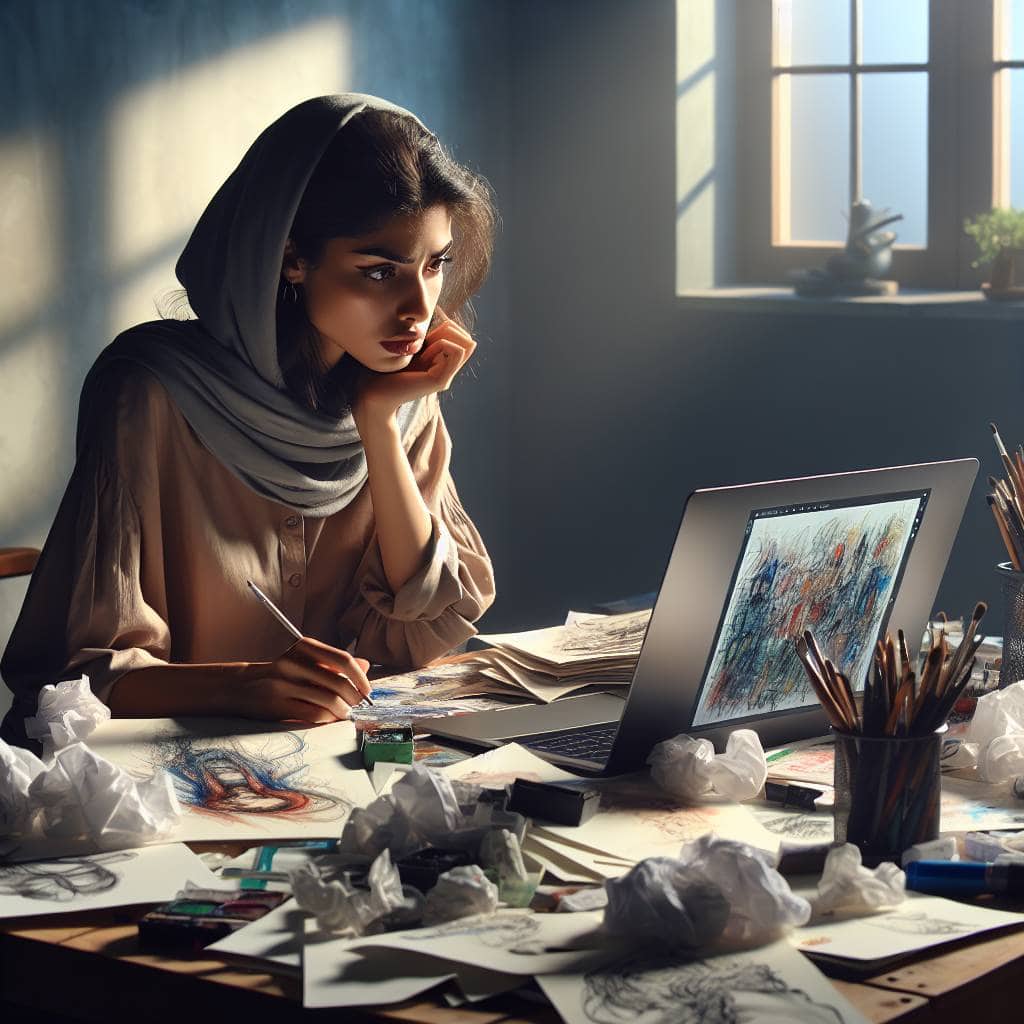
I once attempted to piece together a digital art portfolio that could only be described as a crime against design. Picture this: a mismatched collage of pixelated sketches and clunky navigation that could make even the most ardent art enthusiast squint in agony. I had no idea what I was doing, and it showed. But therein lies the beauty of fumbling through the creative process. Each misstep becomes a story, a lesson wrapped in digital chaos. I suspect you might relate—whether your portfolio is a pixelated mess or a masterpiece, there’s always room to dig deeper, to sharpen the edges of your digital canvas.
So let’s ditch the fluff and talk about what matters. In this article, we’ll navigate the labyrinth of creating a digital art portfolio that doesn’t just sit there like a forgotten relic on the internet. I’ll share insights on why high-res images are your best friend and how detailed project descriptions can elevate your work from “meh” to mesmerizing. We’ll also delve into the cryptic world of website builders, helping you craft a space that’s both functional and reflective of your creative genius. Because you deserve more than a generic online gallery—you deserve a portfolio that tells your story.
Table of Contents
From Zero Pixels to Hero: My Journey Through the Maze of Website Builders and High-Res Nightmares
When I first decided to create a digital art portfolio, I was blissfully ignorant. Picture me, a deer caught in the high-beam glare of website builders promising the world but delivering only a maze of confusion. I started at zero—zero pixels, zero knowledge, zero idea of what I was doing. My first attempt at crafting a portfolio was like trying to build a skyscraper with a LEGO set missing half the pieces. I thought high-res images would be the answer to all my problems, but they turned into my nightmares. Uploading them felt like trying to shove an elephant through a keyhole.
Every template I tried was a new puzzle, each more convoluted than the last. One promised drag-and-drop simplicity, which I soon realized was code for ‘good luck figuring this out, sucker.’ I wrestled with layout grids that refused to align and text boxes that seemed to have a mind of their own. But I soldiered on because I knew that somewhere in this digital labyrinth lay the hero version of my portfolio, waiting to emerge. I learned to appreciate the importance of descriptions that didn’t sound like they were written for a sterile art gallery, but instead told the story behind each piece.
Finally, after what felt like an eternity, I found the right combination—a website builder that didn’t make me want to toss my laptop out the window, and high-res images that loaded without a hitch. It wasn’t just about the tools; it was about understanding how to wield them. My journey from zero pixels to hero wasn’t just about creating a portfolio—it was about embracing the chaos and finding clarity amidst the digital noise. In the end, I realized that each misstep was a step forward, leading me to a portfolio that wasn’t just a collection of images, but a living, breathing extension of my creative soul.
Pixels, Perseverance, and the Art of Crafting Chaos
And so, after wading through a digital labyrinth where pixelated nightmares lurked around every corner, I emerged with a portfolio that didn’t just exist—it screamed my existence. It’s funny, really, how something as seemingly simple as a website can become a battlefield of creativity and frustration. Each high-res image and every meticulously crafted project description became a brushstroke on my digital canvas, painting a picture more vivid than any cliché-riddled guide could ever hope to achieve.
But here’s the kicker: I learned that perfection is the enemy of done. Building this portfolio was less about constructing a flawless digital gallery and more about embracing the beautiful mess that is the creative process. It’s not about having a perfect website builder or a pristine collection of images. It’s about capturing the raw, unfiltered essence of who I am as an artist—and letting that be enough. In this chaotic, pixelated journey, I found my voice. And that, dear reader, is the real masterpiece.