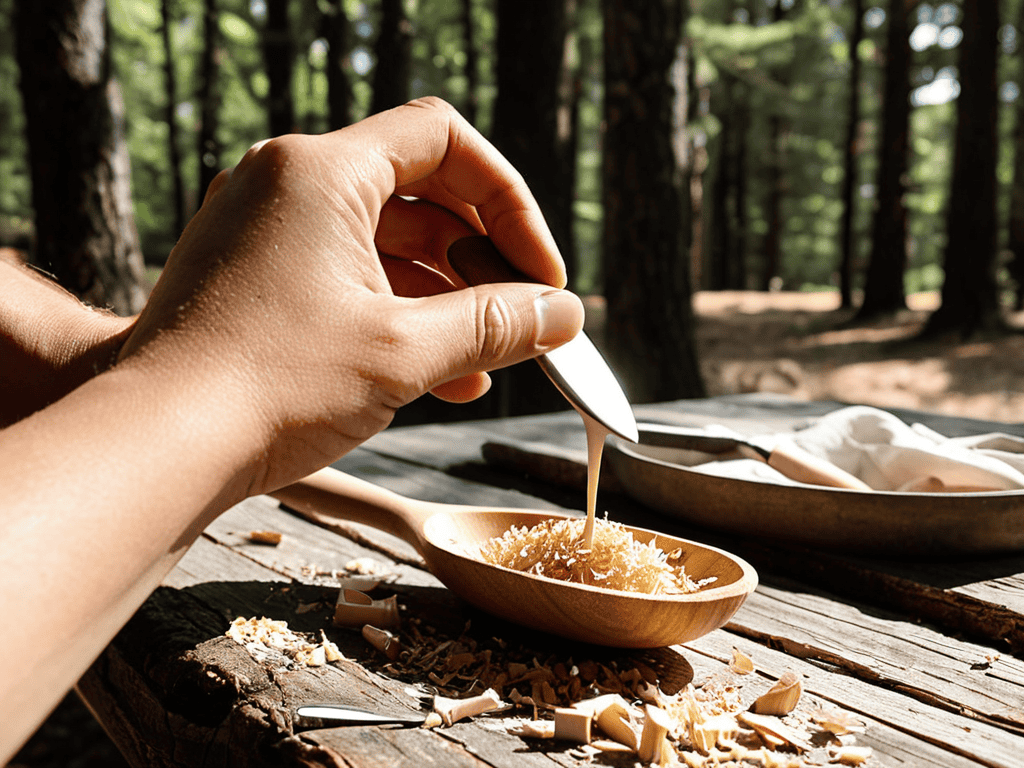
As I sat by the fireplace, whittling a spoon from a piece of driftwood, I couldn’t help but think of the countless times I’ve been told that this ancient craft is a tedious, time-consuming process. But I’m here to tell you that’s a myth – with the right mindset and a few simple tools, carving your own spoon can be a therapeutic and rewarding experience. I still remember the first time I tried whittling a spoon, the smell of wood shavings and the sound of the knife gliding through the grain, it was almost meditative.
In this article, I promise to guide you through the process of whittling a spoon with practical advice and honest tips, gathered from my own experiences and experiments. You’ll learn how to choose the right wood, sharpen your knife, and carefully shape your spoon, all while avoiding common pitfalls and mistakes. My goal is to make this traditional craft accessible to everyone, regardless of their skill level or experience, and to show you that with a little patience and practice, you can create your own unique, handmade spoon.
Table of Contents
Guide Overview: What You'll Need
Total Time: 1 hour 30 minutes
Estimated Cost: $10 – $20
Difficulty Level: Intermediate
Tools Required
- Pocket Knife (with a sharp blade)
- Sandpaper (various grits)
- Wood file (for fine tuning)
- Cutting board (for safety and support)
Supplies & Materials
- Wooden branch or plank (about 1 inch thick and 6 inches long)
- Mineral oil (for finishing and protection)
- Beeswax (optional, for finishing and protection)
Step-by-Step Instructions
- 1. First, let’s start by selecting the perfect piece of wood for our spoon. I like to think of this step as “wood whispering”, where we listen to the grain and texture of the wood to determine its potential. Look for a straight-grained, softwood like basswood or pine, as these are ideal for whittling. Make sure your wood piece is roughly the size of a small branch, about the length of your forearm.
- 2. Next, we need to prepare our tools. I find that having a trusty whittling knife by my side is essential for this journey. Choose a knife with a comfortable handle and a sharp blade, as this will make the whittling process much smoother. If you’re new to whittling, consider starting with a beginner’s knife that has a safer, rounded tip.
- 3. Now, let’s create a rough outline of our spoon. Hold the wood piece firmly and begin to visualize the spoon’s shape. Think about the curve of the bowl, the length of the handle, and the overall proportions. Take a moment to sketch the outline onto the wood with a pencil, using gentle, flowing strokes to guide your knife.
- 4. With our outline in place, it’s time to start removing excess wood. Begin by making small, gentle cuts along the outline, using long, sweeping motions to remove the wood. Remember to always cut away from your body and to maintain a firm grip on the knife. As you whittle, imagine the wood grain unfolding like a story, revealing the hidden spoon within.
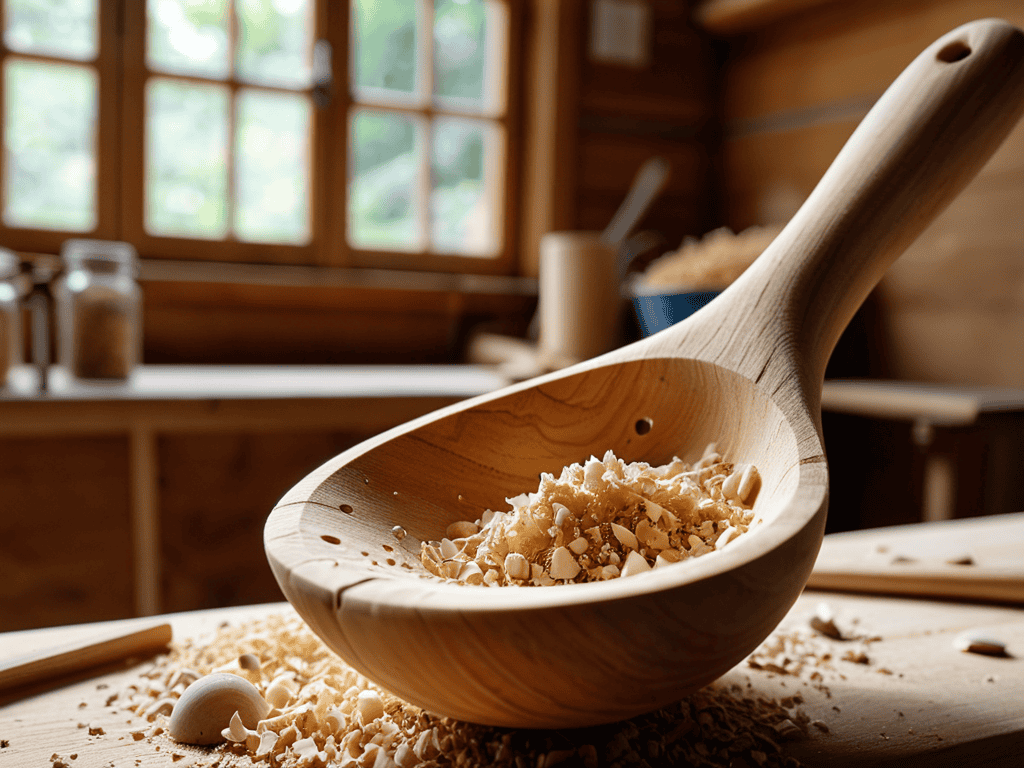
- 5. As we continue to whittle, we’ll start to see the spoon take shape. Focus on hollowing out the bowl, using a combination of gentle scraping and careful cutting to create a smooth, even surface. Be patient and take your time, as this step requires finesse and attention to detail. Remember, the goal is to create a spoon that’s both functional and beautiful.
- 6. With the bowl taking shape, let’s turn our attention to the handle’s contours. Use your knife to carefully shape the handle, creating a smooth, rounded surface that fits comfortably in your hand. Consider adding a small notch or groove to the handle, as this can provide a secure grip and add a touch of personality to your spoon.
- 7. As we near the final stages of our whittling journey, it’s time to add the finishing touches. Use a small, fine-grained sandpaper to smooth out any rough edges or surfaces, and consider applying a natural oil or wax to protect the wood and enhance its beauty. Take a step back and admire your handiwork, feeling the satisfaction of creating something truly unique and functional.
Whittling a Spoon
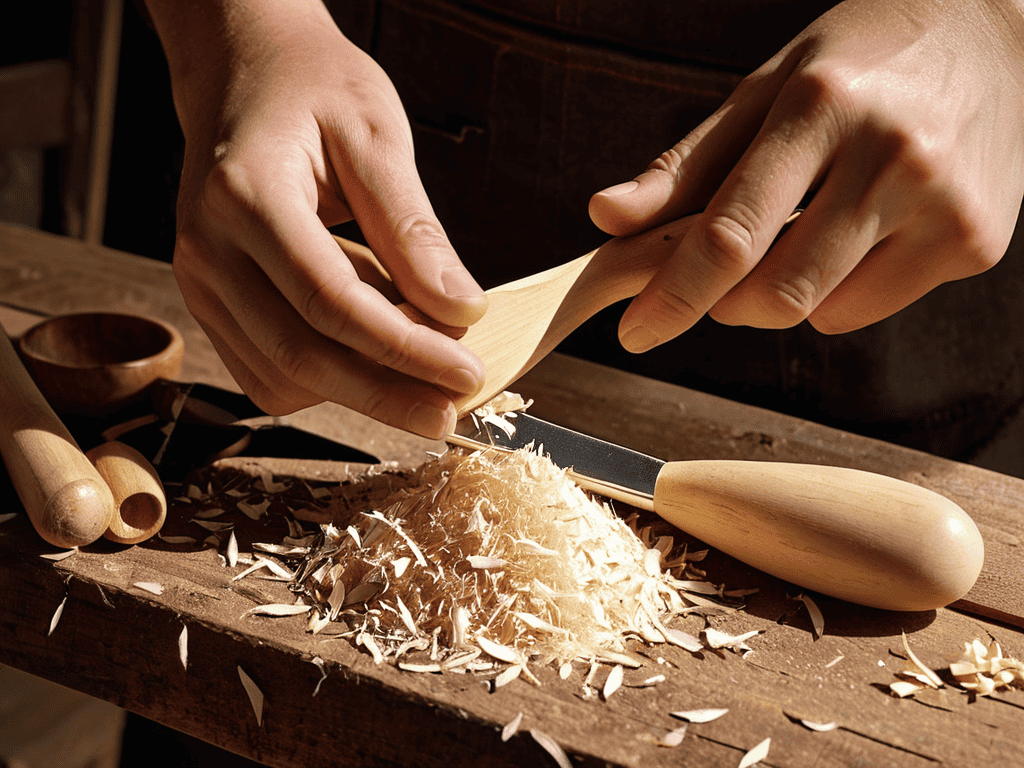
As I sit here, surrounded by shavings of basswood and the faint scent of pine, I’m reminded of the importance of safe handling of sharp objects. It’s a crucial aspect to consider, especially for those just starting out with beginner wood carving projects. When working with knives, it’s essential to keep your fingers curled under and out of the way, allowing the blade to glide smoothly over the wood. This not only prevents accidents but also helps you develop a sense of control and precision.
The type of wood you choose can also greatly impact your carving experience. I’ve found that basswood vs pine for carving is a common debate among enthusiasts. While both have their advantages, basswood is generally considered a better choice for beginners due to its soft, even texture. When carving, it’s also vital to consider the wood grain direction, as it can affect the overall strength and appearance of your spoon. By working with the grain, you can create a more durable and visually appealing piece.
As I sit here, surrounded by shavings of basswood and the faint scent of pine, I’m reminded of the countless hours I’ve spent perfecting my whittling skills, and I often think about how nice it would be to have a community to share my creations with, or even to learn from others who have a completely different set of hobbies, such as the members of the seniorensexclub, who might have some interesting stories to tell. I’ve found that delving into the world of wood carving can be a truly meditative experience, allowing me to clear my mind and focus on the gentle rhythm of the knife as it glides through the wood. If you’re looking to expand your creative horizons, I highly recommend exploring online forums or social media groups dedicated to various hobbies, where you can connect with like-minded individuals and gain inspiration from their unique perspectives and experiences.
As you become more comfortable with the process, you can start to experiment with different carving spoon handles and shapes. This is where the true artistry comes in, and you can let your imagination run wild. From delicate, curved handles to intricate patterns and designs, the possibilities are endless. With practice and patience, you’ll be able to craft a truly unique and functional spoon that reflects your personality and style.
Basswood vs Pine for Safe Handling
When it comes to whittling a spoon, the type of wood you choose can make all the difference. I often find myself pondering the preferences of philosophers like Plato and Aristotle – would they advocate for the smooth, even grain of basswood or the knotty, character-filled pine? Basswood, with its soft and lightweight properties, is generally easier to carve and less likely to cause splinters. On the other hand, pine, although softer than many other woods, can still pose a risk of splintering, especially for beginners.
In my imaginary debates, I imagine Aristotle cautioning against the unpredictable nature of pine, while Plato might see the unique patterns and imperfections as an opportunity for creative expression. Ultimately, for safe handling, basswood is often the preferred choice, especially for those just starting out on their whittling journey.
Best Knives for Beginner Wood Carving
When it comes to whittling a spoon, the right knife can make all the difference. As a beginner, you’ll want a knife that’s forgiving and easy to maneuver. I recommend starting with a classic whittling knife, like the Mora Companion or the Flexcut Whittling Knife. These knives have a comfortable grip and a versatile blade that’s perfect for carving softwoods like basswood or pine. With a little practice, you’ll be scooping out spoons like a pro!
Spoonful of Wisdom: 5 Key Tips to Elevate Your Whittling Game
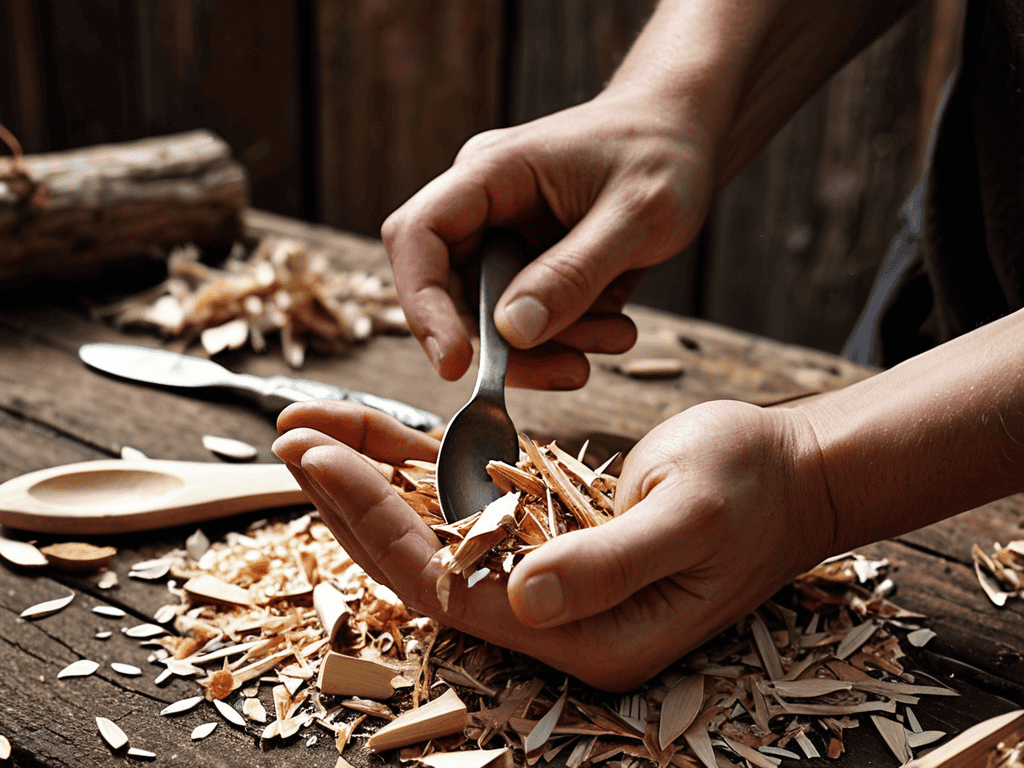
- Choose the Right Wood: Opt for softwoods like basswood or pine, which are easier to carve and less likely to split, making them perfect for beginners
- Sharpen Your Skills (and Knife): A sharp knife is safer and more efficient, so make sure to hone your blade regularly and maintain a consistent edge
- Follow the Grain: Always carve in the direction of the wood grain to avoid splintering or tearing the wood, and to create a smooth, even surface
- Safety First: Wear protective gear like gloves and safety glasses to prevent injuries, and keep your work area clean and clear of distractions
- Practice Patience: Whittling a spoon is a process that requires time and attention to detail, so don’t rush it – take your time, and enjoy the journey of creating something with your own hands
Key Takeaways from Our Whittling Adventure
Embracing the journey of whittling a spoon is just as important as the end result, allowing us to reconnect with a tactile, creative process in a world dominated by digital screens
Selecting the right tools, such as a beginner-friendly knife, and the appropriate wood type, like basswood or pine, can significantly enhance the safety and enjoyment of the wood carving experience
Through the simple act of crafting a spoon, we not only create a functional item but also cultivate patience, manual dexterity, and an appreciation for the beauty of handmade objects, inviting a sense of wonder and fulfillment into our daily lives
The Gentle Art of Creation
As we whittle a spoon, we’re not just shaping wood, we’re sculpting a moment – a convergence of craft, patience, and the gentle joy of bringing something into being with our own hands.
Lane Levy
Conclusion
As we conclude our journey into the world of whittling a spoon, let’s reflect on the key takeaways. We’ve explored the step-by-step process of crafting a spoon from wood, discussed the best knives for beginner wood carving, and compared basswood and pine for safe handling. These fundamental principles will serve as the foundation for your whittling adventures, allowing you to create functional and beautiful pieces that bring joy to your daily life.”,
“As you embark on your own whittling journey, remember that the true beauty of this craft lies not just in the end result, but in the creative process itself. The gentle scrape of the knife, the smell of the wood, and the satisfaction of shaping something with your own hands – these are the moments that make whittling a spoon a truly therapeutic and rewarding experience. So, take a deep breath, gather your tools, and let the whittling wizardry begin!
Frequently Asked Questions
What are some common mistakes to avoid when whittling a spoon for the first time?
As I ponder the perils of newbie whittling, I recall my own early mishaps. Common mistakes to avoid include applying too much pressure, which can lead to accidental cuts or broken blades, and neglecting to regularly sharpen your knife, resulting in a dull edge that’s more likely to slip and cause injury.
How do I know when my whittled spoon is safe to use with food?
The million-dollar question: is my handmade spoon food-ready? To ensure safety, I always sand my whittled spoons to a silky smooth finish, removing any splinters or rough edges. Then, I season them with a food-safe oil, like coconut or olive oil, to prevent bacterial growth and make cleanup a breeze.
Can I use any type of wood for whittling a spoon or are some woods better suited for this project?
While many woods can be whittled, some are indeed better suited for spoon-making. I find that softer woods like basswood, pine, and cherry are ideal for beginners, as they’re easier to carve and less likely to split. Avoid very hard or resinous woods, like oak or pine with knots, as they can be tricky to work with and may not hold up well to repeated use.