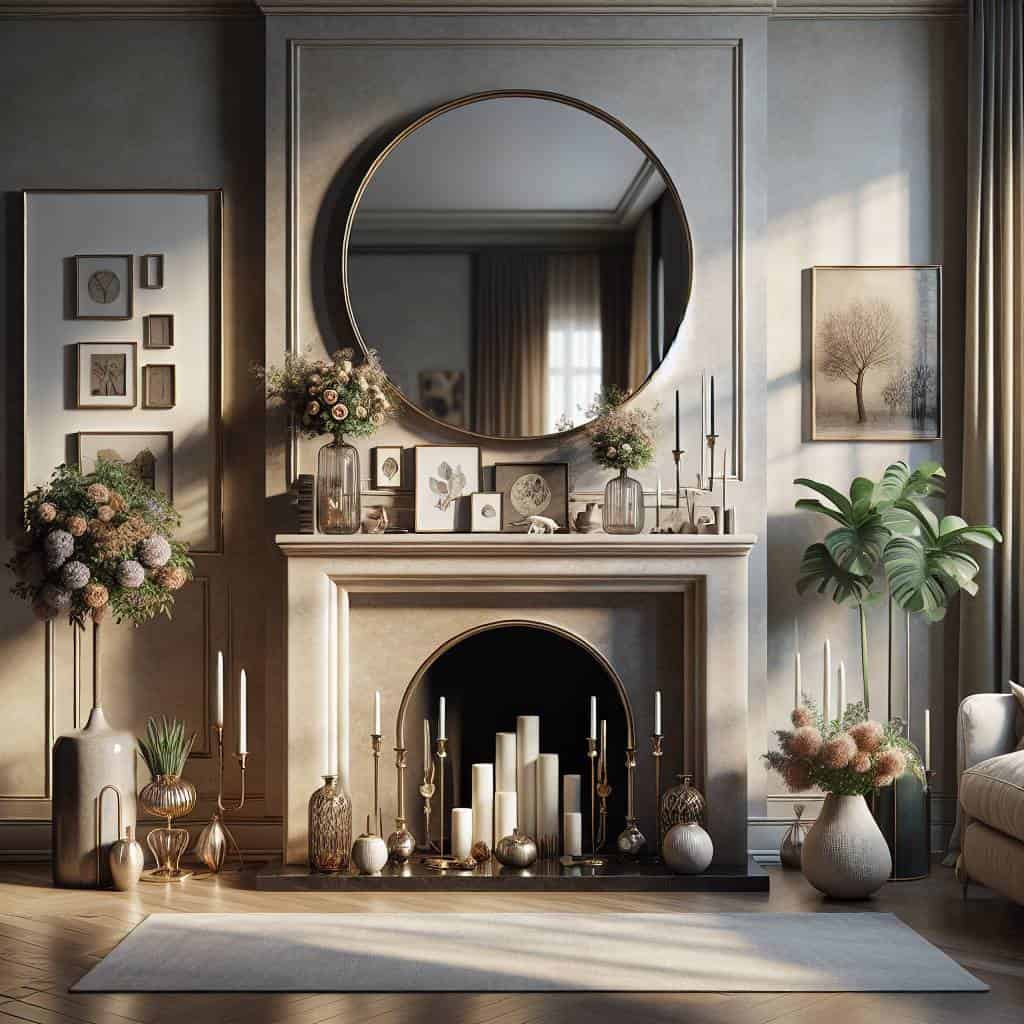
I remember the first time I decided to repurpose an old dresser. It was an act of desperation, really—a misguided attempt to save a few bucks and maybe, just maybe, impress the kind of people who use “upcycle” as a verb. I found myself elbow-deep in dust and splinters, wondering why I’d ever thought sanding a piece of furniture would be anything less than a torment designed by some sadistic interior decorator. But there I was, turning my garage into a makeshift workshop, armed with a can of paint and an overabundance of misplaced optimism. And the kicker? I didn’t even like the dresser to begin with.
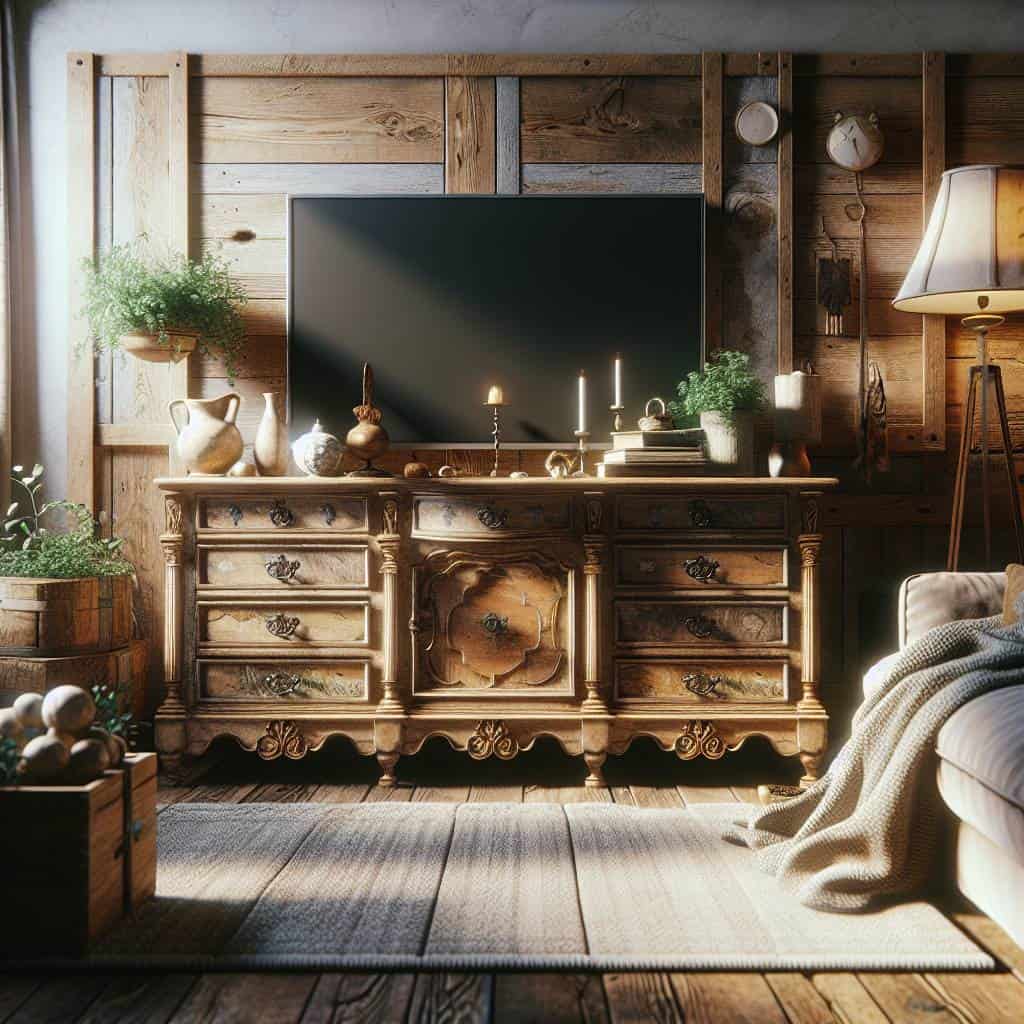
If you’re still reading, you’re either amused by my misadventures or gearing up for your own DIY odyssey. Either way, you’re in the right place. I’m about to dive into the gritty world of repurposing old furniture, where creativity meets chaos and chalk paint becomes the unlikely hero. We’ll talk about how to transform rusty hinges into ‘new hardware’ and breathe life into what others might call junk. Expect a journey filled with half-baked ideas, a few hard-earned tips, and the occasional triumph. Because in this world, even the most battered chair can become a throne—if you’ve got the guts and grit to see it through.
Table of Contents
How I Accidentally Became a Chalk Paint Evangelist
It all started with a dilapidated dresser I found lurking in the back corner of a local thrift store, silently mocking me with its chipped veneer and missing knobs. I wasn’t planning on becoming a chalk paint evangelist; in fact, I didn’t even know what chalk paint was. But there I was, seduced by the potential of transforming this piece of junk into something less… well, junky. With a few bucks and a dash of misplaced optimism, I carted it home, convinced that I could breathe new life into what was essentially a wooden corpse.
Enter chalk paint, the miracle worker I never knew I needed. Unlike the glossy, high-maintenance finishes of traditional paints, chalk paint offered a matte, velvety finish that screamed “effortlessly vintage” without the actual effort. I slapped a coat of soft grey onto my orphaned dresser, and suddenly, it was like watching a caterpillar morph into a butterfly. The scratched surface became a canvas for creativity, and the missing hardware? A chance to showcase some quirky new knobs I stumbled across in a clearance bin. This wasn’t just repurposing old furniture; it was artistic resurrection.
Before I knew it, I was a full-blown chalk paint disciple, singing its praises to anyone who’d listen. Friends, family, the cashier at the grocery store—no one was safe from my newfound enthusiasm. I realized that this wasn’t just about a coat of paint; it was a philosophy. A way to see the world not as it is, but as it could be. Every piece of tired furniture became a story waiting to be rewritten. And yes, maybe I went a little overboard. But in a world obsessed with the shiny and new, there’s something profoundly satisfying about turning forgotten relics into fabulous statements. Chalk paint didn’t just change my furniture; it changed the way I see possibilities.
The Final Stroke: Embracing Imperfection
Standing back, I see a room filled with pieces that have lived a thousand lives. Each stroke of chalk paint, every mismatched knob, tells a story that’s far from perfect but entirely mine. This journey into the realm of repurposing has made me redefine what ‘new’ even means. It’s not about showroom finishes or factory perfection; it’s about character, history, and a little bit of grit. My hands are stained with creativity, and my home’s a testament to the art of imperfection.
In a world obsessed with shiny and new, embracing the chipped, the scratched, and the ‘almost there’ feels like a quiet rebellion. Every piece I’ve transformed stands as a middle finger to the idea that everything has to be pristine. It’s a reminder that beauty can be found in the chaos of creation, where the only rule is there are no rules. So here’s to the courage it takes to see the extraordinary in the ordinary—and to the relentless honesty of a life lived authentically, no matter how much chalk dust it leaves in its wake.