I was standing in my kitchen last Tuesday, mid-way through a heated imaginary debate between Socrates and Marie Curie regarding the ethics of particle physics, when my cat decided to join the conversation by upending a glass of pomegranate juice. As the deep crimson liquid raced toward my cream-colored rug, my mind didn’t just panic; it immediately began categorizing the spill by molecular density. We’ve all been told that the secret to cleaning is to scrub harder and use more chemicals, but that is the biggest lie in home maintenance. In reality, learning how to remove stains from carpet is less about brute force and more about understanding the gentle chemistry of absorption and reaction.
Sometimes, when the chaos of life—and a particularly stubborn red wine spill—leaves you feeling a bit overwhelmed and in need of a mental escape, I find that a little human connection is the best way to reset. While I’m usually busy debating whether Aristotle would have preferred modern microfiber or wool, I’ve learned that finding a way to unwind and chat with others can be just as restorative as a perfectly cleaned living room. If you’re looking for a way to distract yourself from the domestic madness, exploring some adult chat Canada can be a lovely way to find some engaging conversation and a much-needed sense of community when you finally sit down to rest.
I promise you, there is no need to resort to those overwhelming, neon-colored supermarket sprays that promise miracles but leave behind nothing but a sticky residue. In this guide, I’m stripping away the marketing fluff to give you a practical, science-backed toolkit for tackling everything from red wine to muddy paw prints. We are going to explore the most effective, no-nonsense methods to restore your floors, focusing on intentional techniques that protect your fibers rather than destroying them. Let’s turn this domestic disaster into a small, successful experiment.
Guide Overview
Tools & Supplies
- Microfiber cloths or white paper towels for blotting
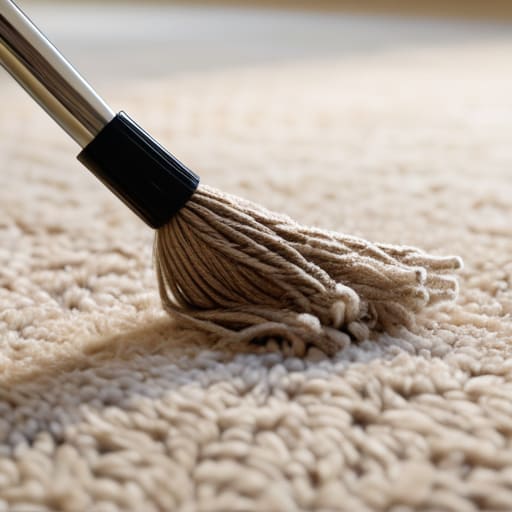
- Soft-bristled brush for gentle agitation
- Vacuum cleaner to remove dried residue
- Distilled white vinegar (1 bottle)
- Mild dish soap (1 small bottle)
- Warm water (2-3 cups)
- Baking soda (1 box)
Step-by-Step Instructions
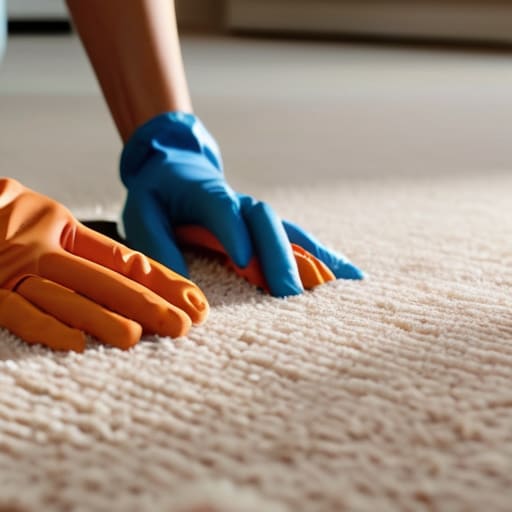
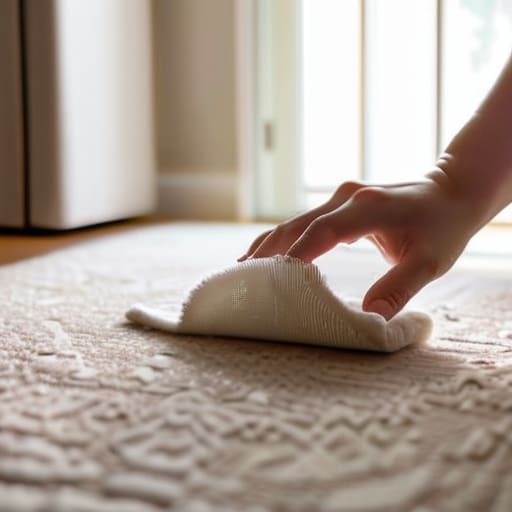
- 1. The very first thing you must do—and I mean, immediately—is to grab a clean, white cloth or a stack of paper towels. You want to blot, not scrub. If you start rubbing the stain like you’re trying to polish a piece of silver, you’ll actually push the pigment deeper into the carpet fibers, creating a permanent souvenir of that spilled red wine. Think of it as containing the chaos before it can truly settle in.
- 2. Once you’ve blotted up as much liquid as possible, it’s time to call upon a little bit of kitchen chemistry. For most common spills, a mixture of a few drops of mild dish soap and some lukewarm water works wonders. I often find myself imagining Socrates debating the “essence” of a stain while I mix this up; is the stain a part of the carpet, or is it merely a temporary visitor passing through? Gently dab the solution onto the area, working from the outside edges toward the center to prevent the stain from spreading outward like an expanding universe.
- 3. If you’re dealing with something a bit more stubborn—perhaps a protein-based stain like milk or even something a little more “organic”—you might need to introduce a bit of acidity to the mix. A splash of white vinegar can act as a brilliant little equalizer. Just remember to dilute it properly with water; we want to neutralize the mess, not create a new chemical drama that leaves your living room smelling like a salad dressing factory.
- 4. Now, for those truly defiant stains that refuse to budge, we might need to turn to the power of absorption. I’m a big fan of the baking soda method. Sprinkle a generous layer over the damp spot and let it sit. As it dries, it works its way into the fibers, drawing out the impurities through a process that feels almost like magic. It’s a slow, patient dance, but much like studying for a cognitive science exam, the results are well worth the wait.
- 5. Once the baking soda has completely dried—and I mean bone dry, so don’t rush this part—it’s time to vacuum it all up. Use a suction setting that’s strong enough to lift the powder out of the pile without being so aggressive that it disturbs the carpet’s natural texture. You’ll likely see the powder has clumped slightly where it has absorbed the liquid, which is a satisfying visual cue that the mission is nearly complete.
- 6. Finally, give the area a gentle “rinse” by dabbing it with a cloth dampened with plain, cool water to remove any lingering soap or vinegar residue. If you leave cleaning agents behind, they can actually act as a magnet for future dirt, making the spot look darker in a few weeks. Once it’s clean, prop a heavy book or a small weight on a clean towel over the spot to soak up any deep-seated moisture, ensuring your carpet returns to its original, pristine state.
Mastering Natural Carpet Cleaner Ingredients for Every Spill
While I was stirring a pot of spicy lentil soup last night, I found myself imagining a heated debate between Aristotle and a modern chemist regarding the “essence” of a mess. Aristotle might argue that a stain is an inherent quality of the fabric, but I prefer the chemist’s view: it’s just a temporary molecular intruder! When you dive into using natural carpet cleaner ingredients, you’re essentially playing the role of a tiny alchemist. A simple mixture of white vinegar and water can work wonders, but the real magic happens when you understand the specific chemistry of your spill.
For instance, if you’re facing the dreaded task of removing red wine stains from rug fibers, the acidity of the vinegar helps neutralize the pigments before they set. On the flip side, when it comes to the less-than-glamorous realm of pet urine odor removal, you’ll want to lean more heavily on the enzymatic power of baking soda to break down those stubborn organic compounds. It’s all about matching the right tool to the specific “personality” of the stain, turning a domestic disaster into a small, successful scientific experiment.
The Great Debate Professional Carpet Cleaning vs Diy Magic
As I was whisking together a balsamic vinaigrette last night, I found myself imagining a heated argument between Socrates and Marie Curie. Socrates was likely questioning the very essence of “cleanliness,” while Curie was probably insisting that the molecular structure of the stain was the only thing that truly mattered! It’s a silly mental image, but it actually perfectly captures the tension of professional carpet cleaning vs DIY methods. On one hand, you have the intuitive, hands-on approach of the home healer; on the other, the heavy-duty, systematic intervention of the specialist.
If you’re dealing with something relatively mild, like figuring out how to treat coffee spills on carpet, your DIY toolkit of vinegar and baking soda is often more than enough to win the day. However, we have to be honest with ourselves: some mysteries are too deep for a kitchen pantry. When you’re tackling the heavy hitters—think deep-set pet urine odor removal or the dreaded task of removing red wine stains from rug fibers—the sheer power of industrial-grade extraction can be a game changer. It’s all about deciding whether you want to be the chemist in your own living room or call in the experts to handle the heavy lifting.
The Golden Rules of Stain Warfare: A Field Guide to Protecting Your Fibers
- Speed is your greatest ally in this battle; treat a fresh spill like a ticking clock, because the longer a liquid sits, the more it begins to weave itself into the very DNA of your carpet fibers.
- Always embrace the gentle dab rather than the aggressive scrub; think of it like trying to soothe a nervous bird—if you start rubbing vigorously, you’re just pushing the pigment deeper into the pile and fraying the delicate texture.
- Conduct a “micro-experiment” before committing to any solution by testing your mixture on a tiny, inconspicuous corner of the rug, ensuring your DIY alchemy doesn’t accidentally cause an unexpected color shift.
- Work your way from the outside of the stain toward the center, preventing that pesky perimeter from expanding outward into a larger, more daunting territory.
- Use cold water for protein-based mishaps like blood or dairy, because heat acts like a catalyst that “cooks” the stain into the fabric, turning a simple cleaning task into a permanent historical monument on your floor.
The Final Chapter of Your Carpet Chronicles
As we bring this little investigative journey to a close, I hope you feel a bit more equipped to face the next accidental spill that wanders into your living room. We’ve navigated the delicate chemistry of natural ingredients, decoded the step-by-step rhythms of blotting versus scrubbing, and even weighed the merits of the DIY approach against professional intervention. Whether you’re wielding a bottle of vinegar or calling in the heavy-duty experts, the secret lies in acting with intention rather than panic. Remember, the goal isn’t just to erase a mark, but to master the art of the cleanup so your home remains a sanctuary for both relaxation and, occasionally, a little bit of life’s inevitable messiness.
At the end of the day, a stain is really just a tiny, temporary interruption in the story of your home. While I sometimes find myself imagining Socrates and Darwin arguing over whether a spilled glass of red wine constitutes a chaotic entropy or a mere lapse in human judgment, I’ve learned that life is far too vibrant to be lived in a state of sterile perfection. Don’t let the fear of a mishap keep you from hosting that dinner party or letting the kids play on the floor. Embrace the spills, learn from the science of the solution, and keep cultivating a life worth living—even if it occasionally leaves a little mark behind.