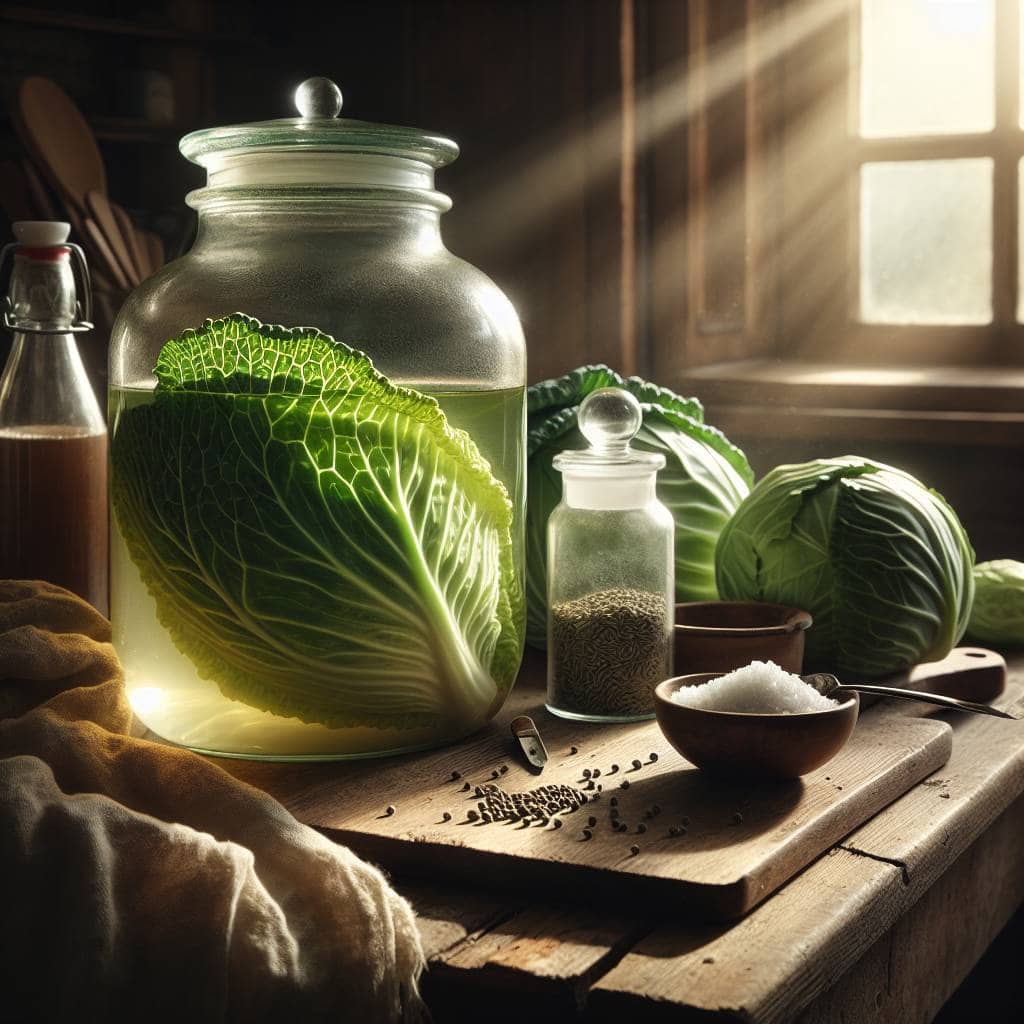
I remember the first time I tried my hand at fermentation. It was a disaster of epic proportions. Picture this: a jar of cabbage that would make even the bravest souls gag, sitting ominously on my kitchen counter like a ticking time bomb. I’d heard the legends of sauerkraut—how it could transform mere cabbage into a tangy masterpiece. But what I ended up with was closer to a science experiment gone awry. Yet, in that pungent failure, there was a spark of curiosity. Why do we willingly let food decompose, and why does it sometimes taste so damn good?
So, here’s the deal. In this article, we’re diving headfirst into the art and science of fermentation. We’ll unravel the mysteries behind why some folks swear by their homemade pickles and why miso is more than just a soup starter. And yes, we’ll talk about those elusive probiotics that everyone seems to be chasing these days. Expect a journey that’s as much about the unexpected joys as it is about the occasional stinky surprises. Grab a seat, keep your nose plugged, and let’s explore the beauty of letting food rot on purpose.
Table of Contents
The Pickle Predicament: How Cucumbers Became My Unlikely Allies
Who would’ve thought that cucumbers, those innocuous green logs of water, would become my greatest unexpected allies in the world of fermentation? Not me, that’s for sure. But there I was, knee-deep in the art of controlled rot, when I stumbled upon the transformative magic of pickles. It wasn’t just about turning bland cucumbers into something tangy and crunchy. It was about a revelation—a wild experiment where nature took the reins, and I was just along for the ride.
See, fermentation is a bit like a rural life lesson. You take what the earth gives you, add a little salt, a dash of patience, and let time work its alchemy. Cucumbers, in their humble state, became the canvases upon which microscopic artists—bacteria—painted a masterpiece. And here’s the kicker: those little organisms weren’t just creating pickles. They were crafting probiotics, living cultures that danced a microscopic jig, bringing balance to our gut ecosystems. A transformation akin to the metamorphosis of a caterpillar into a butterfly, but in a jar, with brine.
In this pickle predicament, I found camaraderie not only with cucumbers but with the entire fermentation family. Miso, kimchi, kombucha—each a testament to the power of letting go and embracing the chaos of natural processes. These foods became my mentors, teaching me that sometimes, to create something extraordinary, you must relinquish control, and trust the invisible forces at play. Cucumbers didn’t just become pickles; they became my guides in this wild, wonderful world of fermentation, turning my kitchen into a living, breathing ecosystem of its own.
The Magic in the Microbes
Fermentation is a dance of time and bacteria, a gamble where pickles turn into crunchy wisdom and miso whispers secrets of umami to the soul.
The Fermentation Odyssey: A Personal Reckoning
As I stood in my cluttered kitchen, surrounded by jars of bubbling promises and pungent hopes, it dawned on me that fermentation is more than just a culinary curiosity—it’s a reflection of life itself. Each jar is a testament to patience and trust in the unseen forces that work quietly behind the scenes. It’s about embracing the chaos, the unknown, and realizing that sometimes, to create something truly remarkable, you have to let go and let nature take its course.
In the end, my journey with fermentation taught me that life, much like miso or pickles, thrives on the balance between structure and spontaneity. The tangy bite of a pickle or the deep umami of miso isn’t just flavor—it’s a reminder that beauty often emerges from the unpredictable dance of bacteria and time. So, as I savor each probiotic-laden bite, I’m reminded to cherish the messy, imperfect process of transformation, both in my jars and within myself. Here’s to the humble art of fermentation, where ordinary ingredients become extraordinary stories.