I once had a fitness tracker that felt more like a wrist-bound tattletale than a helpful companion. It would buzz, mercilessly, as I settled into my couch for what I thought was a well-deserved Netflix binge. “Move!” it would command, its tiny screen lighting up with judgment, as if it had caught me sneaking an extra slice of pizza. And when I finally did make it to the gym, my heart rate soared—not from exertion, mind you, but from the sheer panic of realizing I’d forgotten to start the workout mode. Oh, the horror of those uncounted steps!
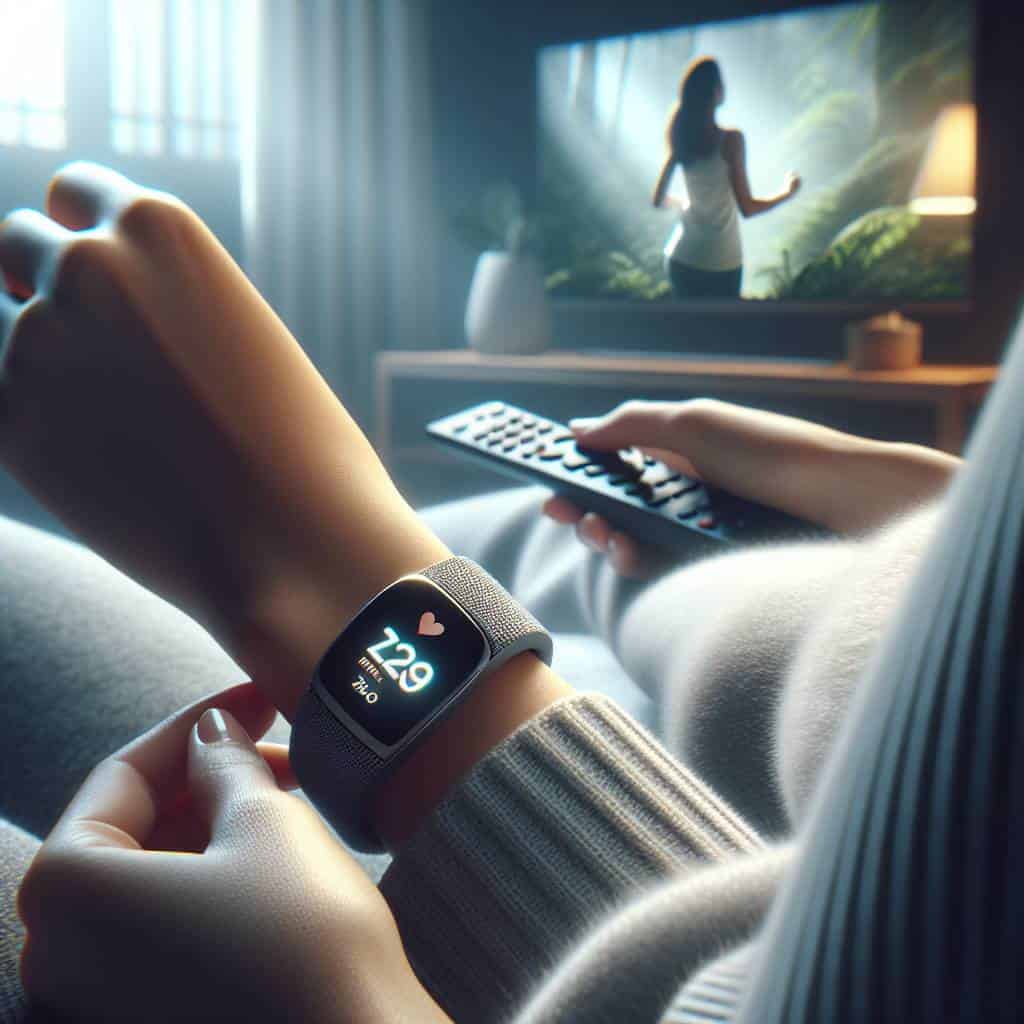
But here’s where it gets interesting. Despite my love-hate relationship with this digital dictator, I’ve found there’s more to these gadgets than just guilt trips and step shaming. In this article, we’ll peel back the layers and look at how these trackers do more than just nag about your midnight snack runs. We’ll explore how they become little windows into our health habits, from heart rate mysteries to the enigma of sleep cycles. So, if you’ve ever wondered why your wrist seems to know you better than you know yourself, stick around. Let’s decode these wrist-bound wonders together.
Table of Contents
The Great Heart Rate Betrayal: How My Wrist Became a Narc
I thought I had made a friend—a sleek little device that promised to accompany me on my quest for health. It was supposed to be my silent partner, my cheerleader, my confidante. But somewhere along the way, it turned into the nosiest companion imaginable. Every time my heart dared to beat a little faster, whether from climbing a single flight of stairs or spotting a spontaneous pizza delivery, this digital tattletale on my wrist was ready to report me with its smug little buzz. It was as if the tracker had become the self-appointed arbiter of my lifestyle, raising an eyebrow at every skipped step and every restless night.
The betrayal was subtle at first. I’d glance at the screen, expecting to see a friendly nudge, but instead, it would flash numbers in a way that felt less like a suggestion and more like a reprimand. A clandestine snitch, it logged every moment of my life—steps counted, sleep monitored, heart rate scrutinized—to some invisible jury in the cloud. It was a stark reminder that while technology can enhance our lives, it can also expose the very vulnerabilities we thought we were safeguarding. In a world where wearables promise empowerment, I found myself caught in a digital judgment cycle, my wristband whispering my every move to the universe. Who knew that the path to self-improvement could feel like standing trial every day?
The Heartbeat of a Reluctant Tech Enthusiast
I suppose, in the end, this little gadget has taught me more about myself than I expected. Not in the numbers it so diligently tracks—those are just the byproduct. But in the way it holds up a mirror to my habits, my hesitations, and my heart. It’s funny how a piece of technology, so devoid of emotion, can become a catalyst for introspection. The way it nudges me to question why a simple step count can feel like an indictment of my day. Or how a graph of my sleep patterns can unravel the tangled threads of a restless mind.
Yet, despite its judgmental tone, I’m starting to see it not as a tyrant, but as a quiet companion. A reminder that even in the mundane—those steps, those beats, that sleep—there’s a story. A narrative that unfolds with each breath and every stride. And maybe, just maybe, this little wrist-bound sentinel is less about numbers and more about the heartbeat of living deliberately. So here’s to embracing the subtle tyranny of technology, and finding the grace to laugh at its relentless pursuit of perfection.