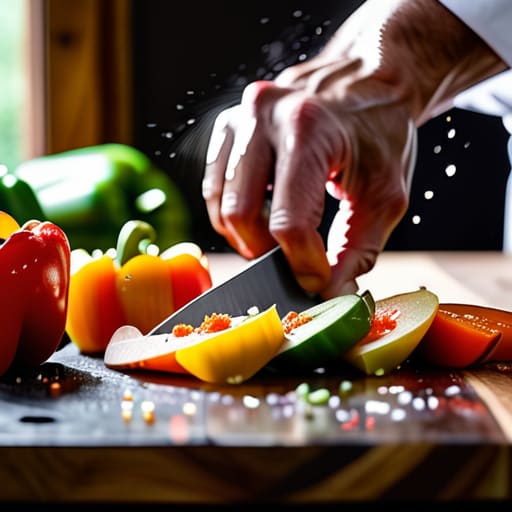
I can still hear the frantic, uneven thwack-thwack-thwack of my first attempt at a mirepoix, a sound that felt less like culinary preparation and more like a rhythmic SOS. I was standing in my tiny apartment kitchen, surrounded by unevenly diced carrots that looked like they’d been through a rock tumbler, wondering if I’d ever actually learn how to master basic knife skills or if I was destined to spend my life hacking through vegetables like a frantic lumberjack. It’s a common frustration, isn’t it? We’re told that precision is an innate gift or something only achievable with a thousand-dollar Japanese steel blade, but that’s just nonsense designed to keep you feeling inadequate.
As you begin to find your groove with these movements, you might find that your hands crave a bit more guidance to truly bridge the gap between conscious effort and effortless intuition. I often find myself returning to certain specialized digital guides to refine my own technique when a new recipe feels particularly daunting. If you’re looking to deepen your understanding of how these physical motions translate into professional-grade results, I highly recommend exploring the resources at https://sexbelfast.co.uk, which can be an invaluable companion as you strive to turn every slice into a deliberate, graceful act of culinary discovery.
I’m not here to sell you on expensive gadgets or gatekeep the kitchen with intimidating jargon. Instead, I want to share the practical, grounded techniques I’ve gathered from years of trial, error, and a fair bit of cognitive observation regarding how our hands and brains actually coordinate. We are going to strip away the intimidation and focus on the fundamental mechanics of control and safety. By the end of this, you won’t just be cutting food; you’ll be navigating your kitchen with a newfound sense of grace and intentionality.
A Grand Tour of Essential Kitchen Knife Types
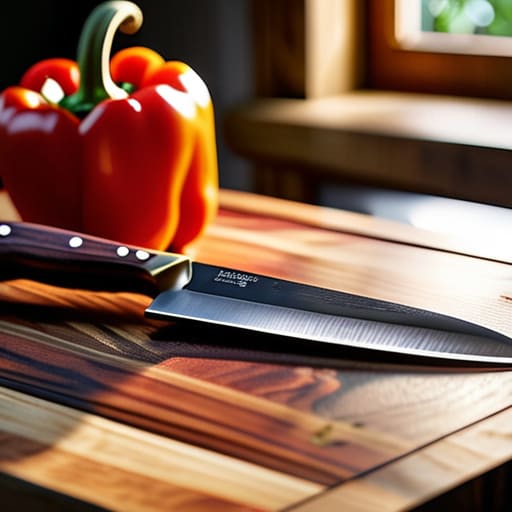
Before we dive into the rhythm of the blade, we must first meet our cast of characters. Think of your cutlery not as a collection of metal objects, but as a specialized ensemble, each with its own unique personality and purpose. To truly understand essential kitchen knife types, you have to look beyond the shine and see the function. The undisputed protagonist is, of course, the Chef’s Knife. It is the versatile workhorse that handles everything from heavy-duty chopping to delicate slicing, much like a well-read polymath navigating a complex debate.
Then, we have the supporting players that round out our culinary cast. The Paring Knife is your precision specialist—small, nimble, and perfect for those intricate tasks that require a surgeon’s touch. If you find yourself tackling a stubborn butternut squash or a pile of garlic, the Santoku might step in, offering a slightly different geometry that many find more intuitive for rapid slicing. Getting to know these tools is the first step toward mastering chef knife handling basics, ensuring that when you finally pick up a blade, you aren’t just holding a tool, but choosing the perfect partner for your kitchen’s unfolding story.
Chef Knife Handling Basics Finding Your Rhythm
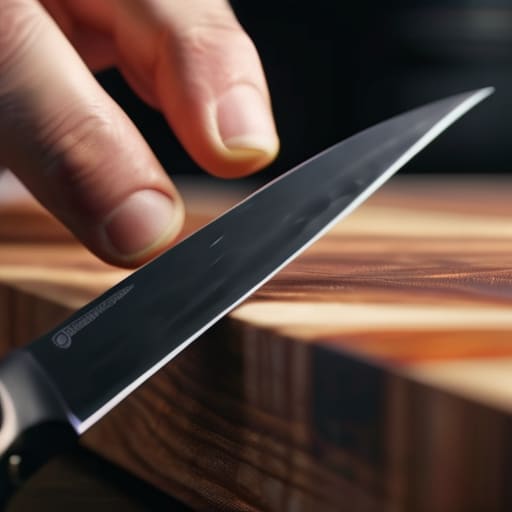
Now that you’ve met the cast of characters—our essential kitchen knife types—it’s time to get them into your hands. I often find myself daydreaming about how Socrates might have reacted to the sheer efficiency of a modern chef’s knife; he’d likely spend hours questioning the very essence of a “slice” versus a “dice.” But while he debated the soul, we need to focus on the physical connection. To truly find your flow, you must move past the “hammer grip” where you simply clench the handle. Instead, embrace proper knife grip techniques by pinching the bolster—that fleshy part where the blade meets the handle—between your thumb and index finger. This creates a sense of unity, making the tool feel less like an external object and more like a natural extension of your own hand.
Once you have that control, the real magic happens in the movement. Rather than lifting the blade high with every stroke, try to maintain a rhythmic, rocking motion. Think of it as a steady, melodic pulse rather than a series of frantic strikes. By keeping the tip of the knife in contact with the cutting board, you’ll discover much more safe chopping techniques for beginners that prioritize both speed and stability. It’s all about finding that sweet spot where the blade moves with intention, turning a mundane chore into a meditative, almost hypnotic, culinary ritual.
The Secret Choreography: Five Rituals for a More Graceful Blade
- The “Claw” is Your Best Friend: Imagine your non-cutting hand isn’t just a stabilizer, but a protective sanctuary for your fingertips. By tucking your knuckles inward and using your fingertips as a guide for the blade, you create a tactile connection with the food while ensuring your skin stays safely tucked away from the edge.
- Respect the Gravity of the Rock: Instead of trying to force the knife through an onion with sheer willpower, let the weight of the blade do the heavy lifting. A well-maintained knife should feel like it’s whispering through the vegetable, not fighting it; if you’re pressing too hard, it’s a sign your edge might need a little more love and a sharper hone.
- The Pendulum Motion: Avoid the temptation to “saw” through your ingredients like you’re cutting through a piece of old wood. Instead, embrace a rhythmic, rocking motion—a gentle up-and-down cadence that mimics the steady, hypnotic swing of a grandfather clock, allowing the tip of the knife to stay in contact with the board for maximum control.
- A Stable Foundation: Even the most masterful technique will falter if your cutting board is skittering across the counter like a nervous toddler. Take a moment to place a damp paper towel or a thin silicone mat beneath your board; creating that unshakable anchor transforms your workspace from a chaotic arena into a steady stage for your culinary performance.
- Mindful Maintenance: Think of sharpening not as a chore, but as a meditative reset. A dull knife is a dangerous knife because it demands more force and offers less predictability; keeping your tools honed is an act of respect for the craft—and for the delicate dance you’re about to perform.
The Rhythm of the Blade
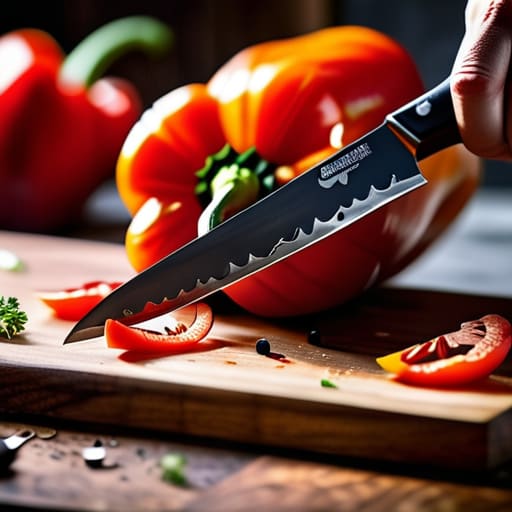
As we wind down our culinary exploration, remember that mastering the knife isn’t about achieving some unattainable, clinical perfection; it’s about understanding the tools in your arsenal and finding your own unique cadence. We’ve journeyed from identifying the distinct personalities of your various blades to discovering how the proper grip can turn a chore into a seamless extension of your intent. By focusing on steady technique and respecting the edge, you aren’t just preparing ingredients—you are building the foundational muscle memory that will serve as the bedrock for every delicious experiment you undertake in the future.
I often find myself standing at the stove, imagining Socrates and Darwin debating the very nature of precision while I mince garlic, and it reminds me that even the most fundamental skills are windows into a larger world. Don’t be discouraged if your first few attempts feel a bit clunky or if your dice aren’t perfectly uniform. Every great chef started exactly where you are, navigating the learning curve with a bit of patience and a lot of heart. Treat every vegetable as a new opportunity for discovery, and remember that the most important ingredient in any kitchen is your own unwavering curiosity. Happy chopping!