I was standing in my first apartment kitchen last Tuesday, trying to sauté garlic while simultaneously dodging a stack of vintage encyclopedias I’d set on the counter, and I realized something: we’ve been lied to. Most design blogs want to sell you on the idea that the only way to fix a cramped culinary space is a gut-renovation or a suite of expensive, minimalist gadgets that look pretty but function poorly. They treat a lack of square footage like a tragedy rather than a puzzle. But I’ve learned that figuring out how to make a small kitchen work harder isn’t about buying more stuff; it’s about spatial alchemy and understanding the cognitive flow of how we actually move when we cook.
I’m not here to pitch you on overpriced marble organizers or “aesthetic” storage solutions that actually make your life harder. Instead, I want to share the gritty, trial-and-error wisdom I’ve gathered from years of navigating tiny footprints. We are going to dive into the practical psychology of organization, focusing on high-impact, low-cost shifts that maximize every single inch of your existing real estate. Let’s turn that cramped corner into a high-performance laboratory of flavor.
Mastering Vertical Storage for Small Kitchens and Hidden Wonders
Of course, as we dance around the concept of spatial efficiency, I can’t help but think of how even the most organized pantry can feel a bit chaotic if we aren’t mindful of the rhythm of our daily habits. It’s not just about where the jars sit, but how we move through the space; I often find that a little bit of intentionality goes a long way in preventing that dreaded “clutter creep.” If you’re feeling a bit overwhelmed by the logistics of keeping a streamlined home, you might find some wonderful, practical inspiration to help simplify your lifestyle by choosing to read more about creating a more effortless living environment.
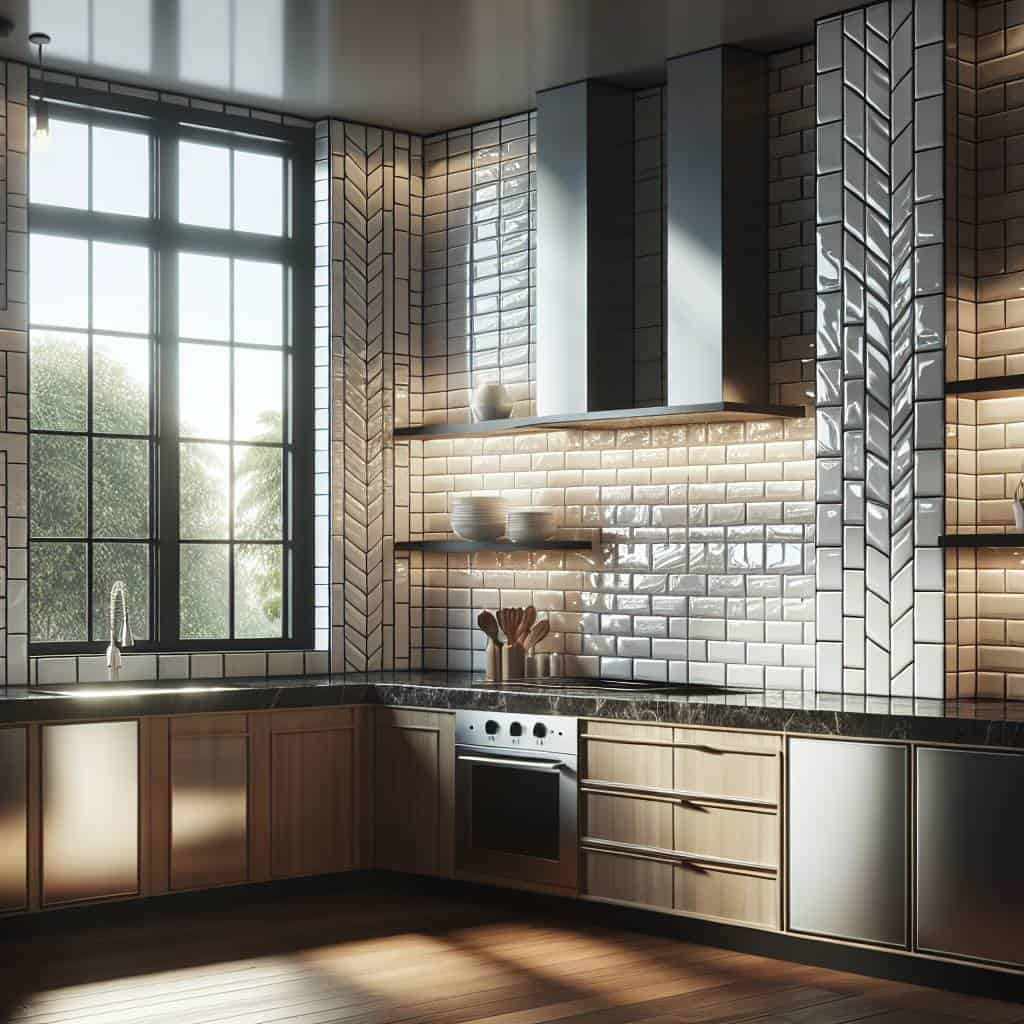
If my kitchen were a library—which, given my collection of vintage encyclopedias, it often feels like—I’d tell you that the secret isn’t in the floor plan, but in the soaring ceilings. When you’re feeling hemmed in by limited square footage, stop looking at your countertops and start looking up. Embracing vertical storage for small kitchens is much like how a scholar organizes a massive archive; you utilize every inch of height to keep the essentials within reach without cluttering your workspace. I’m a huge advocate for magnetic knife strips and wall-mounted spice racks. They don’t just clear the way for meal prep; they turn your tools into a sort of functional art gallery.
Beyond the obvious, there’s a certain magic in finding those “hidden wonders” tucked away in the gaps. I often find myself imagining Socrates debating whether a well-placed tension rod or a slim rolling pantry is the superior way to achieve small kitchen layout optimization. Personally? I’m team “hidden.” Using the inside of cabinet doors for measuring spoons or installing tiered shelving inside deep cupboards can feel like discovering a secret passage in an old manor. It’s all about reclaiming those neglected pockets of air to ensure you’re truly maximizing kitchen counter space for the actual joy of cooking.
The Art of Maximizing Kitchen Counter Space for Creative Flow
If my countertops are cluttered, my brain feels cluttered too—it’s a bit of a cognitive science phenomenon, really. When I’m attempting to whip up a complex risotto, I can almost hear Socrates and Marie Curie arguing in my head; Socrates is likely questioning the very essence of a “clear surface,” while Curie is busy analyzing the chemical efficiency of my workspace. To keep the peace (and my sanity), I’ve learned that maximizing kitchen counter space isn’t about having more granite; it’s about reclaiming the territory we’ve lost to “countertop creep.”
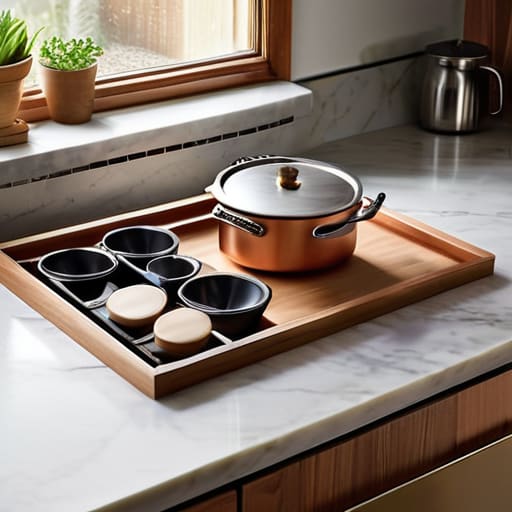
I’ve found that the secret lies in the “zone method.” Instead of letting every spice jar and rogue whisk claim residency on the main stage, I curate specific stations. Using space-saving kitchen gadgets like magnetic knife strips or slim, tiered risers for oils allows me to keep my most essential tools within arm’s reach without suffocating my prep area. Think of your counter not as a static shelf, but as a dynamic stage that needs to be cleared for every new performance. By implementing these small kitchen storage solutions, you turn a cramped workspace into a high-performance laboratory of flavor.
The Micro-Kitchen Manifesto: Five Secrets to Unlocking Hidden Potential
- Curate Your Culinary Arsenal: Think of your drawers not as endless voids, but as curated galleries. If you haven’t reached for that specialized avocado slicer since the great brunch craze of 2018, it’s time to let it go. By keeping only your most versatile, high-performance tools within arm’s reach, you reduce the cognitive load of searching and turn every meal prep into a streamlined dance.
- The Magic of Mobile Stations: When your countertops feel like they’re shrinking by the minute, bring in a rolling kitchen cart. I like to view these as “nomadic workstations”—they can migrate from being a coffee station in the morning to a dedicated chopping zone during dinner prep, effectively expanding your square footage on demand.
- Embrace the Power of the “Zone” System: Instead of letting your spices, oils, and utensils drift aimlessly, group them by activity. Imagine setting up a “Sauté Station” near the stove or a “Baking Nook” in a specific corner. It’s much like organizing a library by genre; when everything has a logical home based on how you use it, the kitchen begins to work with you rather than against you.
- Utilize the “Dead Space” Renaissance: Look closely at those awkward gaps—the space between the fridge and the wall, or the underside of your upper cabinets. Magnetic knife strips, hanging pot racks, or even slim pull-out spice racks can transform these forgotten slivers of real estate into high-functioning storage hubs that keep your workspace clear.
- Invest in Multi-Tasking Vessels: In a small kitchen, every object should ideally earn its keep twice. Opt for nesting mixing bowls, lids that double as serving platters, or Dutch ovens that transition seamlessly from stovetop to oven. It’s all about finding that perfect equilibrium between utility and elegance, ensuring every piece of equipment is a hardworking member of your culinary team.
The Small Kitchen Symphony
As we pull our final metaphorical pans from the oven, let’s look back at the landscape we’ve mapped out. We’ve learned that a small kitchen doesn’t have to be a source of daily friction; instead, it can become a finely tuned instrument. By embracing the vertical frontier through clever shelving and uncovering those hidden wonders tucked away in corners, we reclaim our lost territory. When we pair that with a mindful approach to counter space—clearing the clutter to make room for genuine culinary flow—we transition from merely surviving in a cramped room to actually thriving within it. It is all about turning those physical limitations into strategic advantages that work with you, rather than against you.
At the end of the day, I like to think of a small kitchen much like a well-loved, vintage encyclopedia: it might be compact, but it is absolutely overflowing with potential. Don’t let the square footage dictate the scale of your culinary ambitions or the joy you find in the process. Whether you are whisking a delicate emulsion or simply sipping your morning coffee, your kitchen should be a sanctuary of possibility. So, go ahead and start that little project—tack up that magnetic knife strip or reorganize that spice drawer—and watch how a few intentional shifts can transform your tiny workspace into a grand stage for your next great edible masterpiece.