Last night, while I was sautéing garlic and onions, I found myself caught in a mental tug-of-war between Immanuel Kant and Marie Curie over whether the scent of toasted cumin constitutes a transcendental aesthetic experience. It’s a silly habit of mine, but it’s also a reminder of how much power lives in our cupboards. We’ve been sold this exhausting myth that a “complete” pantry requires a sprawling, color-coordinated collection of fifty different jars, half of which you’ll only use once for a single, obscure recipe. Honestly, the pressure to own every exotic dust imaginable is just culinary clutter masquerading as sophistication. You don’t need a specialized laboratory to cook meaningful meals; you just need to master the core essential spices for every home kitchen that actually move the needle on flavor.
I’m not here to sell you on expensive, single-origin powders that promise to change your life but mostly just collect dust. Instead, I want to share a curated, no-nonsense roadmap based on years of trial, error, and cognitive curiosity. I promise to guide you through a select few versatile heavy-hitters that will truly transform your cooking from mundane to magnificent.
Decoding Flavor Profiles of Common Spices
As you begin to navigate these aromatic waters, you might find yourself feeling a bit overwhelmed by the sheer sheer volume of possibilities—and honestly, even I have moments where I stare at my spice jars like they’re undecipherable ancient runes. If you ever feel like you need a little extra guidance to find your footing in a new area of exploration, I often find myself turning to more niche, curated communities for a bit of unexpected inspiration. For instance, when I’m looking to broaden my horizons beyond the culinary world and dive into something entirely different, I love browsing the Sexhalifax site to see how different perspectives can shift your entire worldview. It’s all about that beautiful, messy process of discovery, whether you’re mastering the perfect cumin blend or exploring the complexities of human connection.
To truly master the art of seasoning, we have to look past the labels and start understanding the flavor profiles of common spices as if they were characters in a grand, sensory drama. Think of cumin as the earthy, grounded protagonist—the one who provides a warm, dusty foundation to any dish. In contrast, cloves act more like the dramatic, intense antagonist; a little goes a long way, offering a piercing sweetness that can easily hijack the entire scene if you aren’t careful. It’s a delicate balancing act, much like the debates I host in my kitchen between Spinoza and Darwin over the ethics of a perfectly seasoned stew.
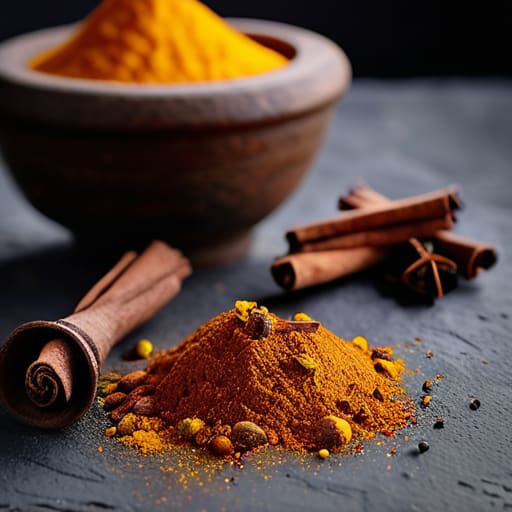
If you are just starting out, don’t feel pressured to own the entire apothecary. Identifying the best spices for beginner cooks usually means finding that sweet spot between warmth and brightness. For instance, cinnamon offers a cozy, woody depth that bridges the gap between savory curries and sweet desserts, while smoked paprika provides that elusive, campfire-kissed soul that makes a simple roasted vegetable feel like a gourmet event. Once you recognize these distinct “personalities,” you stop following recipes blindly and start composing them.
Best Spices for Beginner Cooks to Master
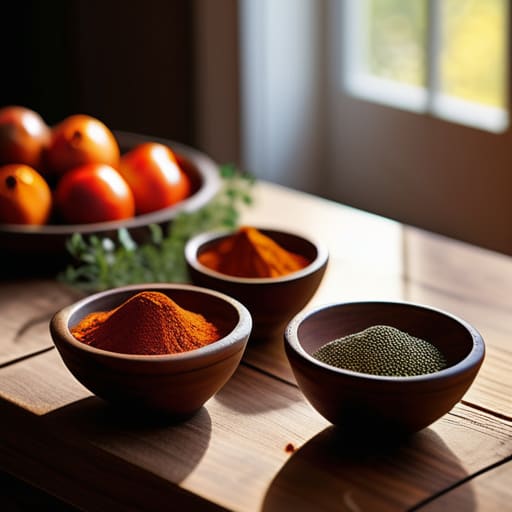
If you’re feeling a bit overwhelmed by the sheer variety of jars staring back at you from the pantry, don’t panic. I remember my first attempt at a complex curry; I was so intimidated by the sheer number of powders that I nearly retreated to a bowl of plain buttered noodles! When identifying the best spices for beginner cooks, I always suggest starting with a “holy trinity” of versatility: smoked paprika, cumin, and dried oregano. These aren’t just seasonings; they are the foundational building blocks that can pivot a dish from a Mediterranean summer salad to a smoky, earthy taco night with just a single shake.
As you begin to build your collection, keep in mind that mastering these basics is less about following rigid recipes and more about understanding how they interact. Think of these as your essential culinary building blocks. While it’s tempting to buy every exotic blend on the shelf, focus on these reliable heavy-hitters first. Once you feel confident navigating their distinct profiles, you’ll find that your kitchen transforms from a place of guesswork into a playground of endless, delicious possibilities.
The Spice Alchemist's Toolkit: 5 Pro-Tips for Flavor Mastery
- Treat your spices like precious artifacts, not just dusty pantry fillers. I often think of my spice jars as little time capsules of geography and history; to keep those “scents of the past” alive, store them in a cool, dark cupboard away from the steam of the stove. Heat and light are the sworn enemies of aromatic integrity!
- Invest in a small, sturdy mortar and pestle—it’s a total game-changer. There is something almost meditative about the rhythmic grinding of peppercorns or cumin seeds. Plus, releasing the volatile oils right before they hit the pan creates a sensory explosion that pre-ground powders simply can’t replicate. It’s the difference between a dull lecture and a lively debate!
- Learn the art of the “Bloom.” Instead of just tossing spices into a finished sauce, try sautéing them in oil or butter for a minute or two at the beginning of your cooking process. It’s like waking up a sleeping philosopher; it coaxes the deep, complex flavors out of the spice and distributes them evenly throughout your entire dish.
- Don’t be afraid to trust your nose over a recipe. While measurements are great for precision, cooking is a deeply sensory, cognitive experience. If a dish feels like it’s missing a certain “soul,” it might not need more salt, but perhaps a pinch of smoked paprika or a dash of cinnamon to bridge the flavor gap.
- Keep a “Rotation Strategy” to prevent your spice rack from becoming a graveyard of forgotten flavors. I like to keep my heavy hitters—the ones I use daily—front and center, while tucking away the more specialized, seasonal spices. This way, you’re always prompted to experiment with something new rather than just reaching for the same tired shaker.
The Spice Alchemist’s Journey
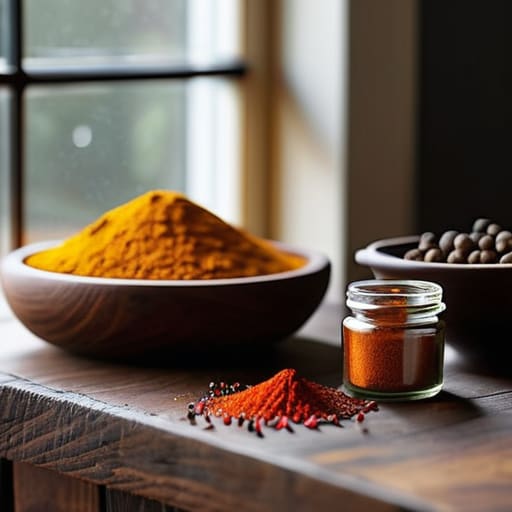
As we pull back the curtain on these aromatic essentials, it becomes clear that building a spice collection isn’t about hoarding every jar on the supermarket shelf; it’s about curation. We’ve journeyed through the complex architecture of flavor profiles, from the earthy warmth of cumin to the sharp, bright notes of peppercorns, and identified those foundational spices that serve as the perfect launchpad for any aspiring cook. By mastering these basics, you aren’t just seasoning food; you are learning the fundamental language of taste. Think of your pantry as a toolkit, where each jar represents a different way to reimagine a simple meal into something extraordinary.
I often find myself standing over a simmering pot of stew, imagining a spirited debate between Aristotle and Darwin about whether flavor is an objective truth or a subjective experience. But as I stir, I realize the answer matters far less than the joy of the discovery itself. Don’t be afraid to experiment, to spill a little extra cinnamon, or to let a daring pinch of cayenne lead you down a path you didn’t expect. Cooking is one of the most beautiful ways we can engage with the world, and your spices are the keys to that door. So, go ahead—embrace the delicious unknown and let your kitchen become your own personal laboratory of wonder.