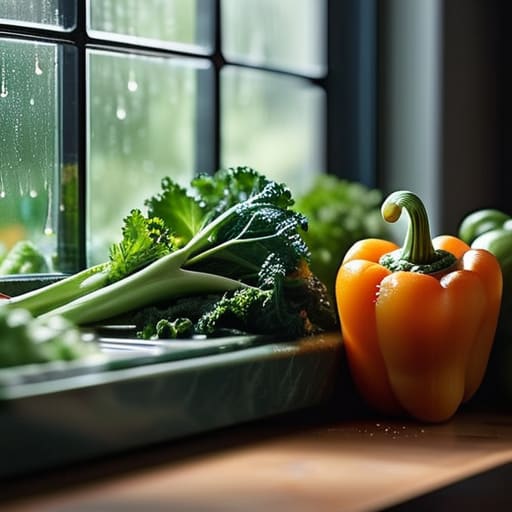
I was standing in my kitchen last Tuesday, mid-way through a heated mental debate between Socrates and Darwin over the ethics of herb consumption, when I caught a glimpse of my crisper drawer. It was a graveyard. A once-vibrant bunch of kale had surrendered to a slimy, translucent fate, and my carrots had gone from snappy to limp and sad in what felt like a single afternoon. It’s incredibly frustrating how we’re often told that the secret to longevity lies in expensive, high-tech vacuum sealers or specialized “smart” containers that cost more than the produce itself. Honestly, most of that hype is just noise; finding the best ways to store fresh vegetables shouldn’t require a degree in engineering or a massive dent in your grocery budget.
I want to strip away the marketing fluff and get down to the actual science of preservation. In this guide, I’m sharing the practical, hands-on methods I’ve gathered through years of kitchen trial and error—from understanding the delicate humidity needs of leafy greens to knowing which veggies actually prefer the dark, dry corners of your pantry. No gimmicks, just honest strategies to help you honor your harvest and keep your food vibrant for as long as possible.
Mastering Humidity Control for Leafy Greens
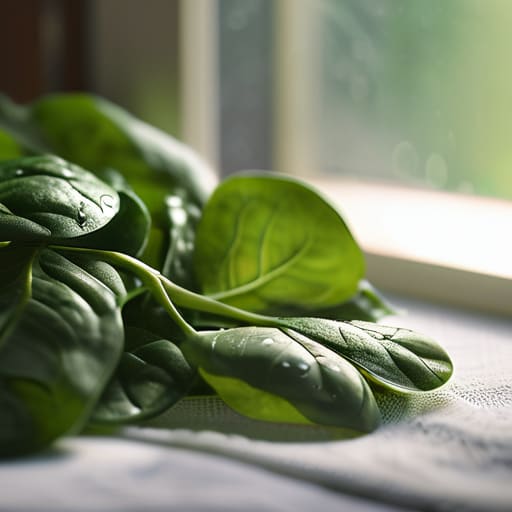
If you’ve ever pulled a bag of spinach from the fridge only to find it has transformed into a sad, translucent puddle of green slime, you aren’t alone. It’s a heartbreak I’ve experienced more times than I’d like to admit! The secret to avoiding this tragedy lies in mastering humidity control for leafy greens. Think of your greens not as mere food, but as delicate, breathing organisms that despise being parched. When they lose moisture, they lose that glorious, crisp snap that makes a salad feel like a celebration rather than a chore.
To keep them vibrant, I like to treat my crisper drawer like a tiny, controlled microclimate. The trick is to wrap your greens—whether it’s kale, arugula, or butter lettuce—in a slightly damp paper towel before tucking them into a reusable silicone bag or a breathable container. This method creates a gentle buffer, preventing vegetable spoilage by keeping the air around them moist without letting them sit in a stagnant pool of water. It’s all about finding that perfect, golden mean between “too dry” and “too soggy.”
Proper Vegetable Container Methods for Longevity
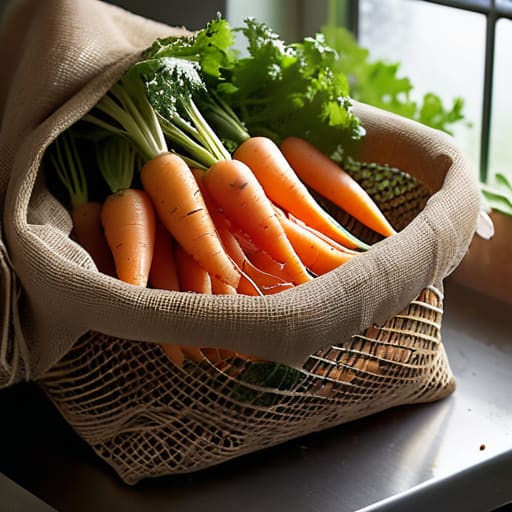
Now, let’s talk about the vessels we choose for our botanical treasures. Think of your containers not just as plastic bins, but as the specific micro-environments that dictate whether a carrot remains a crisp delight or turns into a sad, rubbery relic. When it comes to proper vegetable container methods, the goal is to balance airflow with moisture retention. For instance, if you’re tucking away sturdy root vegetables, a breathable mesh bag is often superior to a sealed plastic one, which can trap excess moisture and invite unwanted rot.
However, we must also play the role of the watchful guardian against the invisible chemical signals in our crisper drawers. We can’t ignore the drama of ethylene gas producing fruits like apples or tomatoes; they are the little agitators of the produce world, releasing gases that can inadvertently signal your nearby cucumbers to age prematurely. To succeed in extending produce shelf life, I like to practice a bit of strategic segregation—keeping the “gas-emitters” in their own little zone, far away from the sensitive greens, effectively preventing a domino effect of decay.
The Secret Alchemy of the Crisper: Five Pro-Tips for Produce Longevity
- Separate the Ethylene Troublemakers: Think of certain fruits, like apples or tomatoes, as the loud, energetic toddlers of the produce world; they emit ethylene gas that can prematurely age everything around them. To keep your broccoli and cucumbers from turning into mushy memories, give these “gas-emitters” their own dedicated space in the fridge.
- The Art of the Airflow Ballet: While we love a snug fit, your vegetables need to breathe just as much as we do. If you pack your crisper drawer too tightly, you create stagnant pockets of moisture that invite rot; instead, aim for a light, airy arrangement that allows a gentle circulation of cool air to dance between the stems and leaves.
- Respect the Root: For hardy root vegetables like carrots or radishes, moisture is a fickle friend. If you store them completely dry, they’ll shrivel into sad little raisins; however, if they sit in a puddle, they’ll succumb to decay. The sweet spot is often a reusable silicone bag with just a hint of dampness—think of it as a gentle, refreshing mist rather than a soak.
- The Countertop Sanctuary: Not every vegetable belongs in the icy confines of the refrigerator. In fact, some, like your beautiful heirloom tomatoes or earthy potatoes, actually suffer under the stress of the cold. Keep your potatoes in a dark, cool pantry (but never next to onions—they’re a volatile duo!) and let your tomatoes live at room temperature to preserve that luscious, sun-ripened texture.
- The Pre-Wash Predicament: It is incredibly tempting to wash everything the moment you get home from the farmer’s market, but resist the urge! Introducing moisture to your vegetables before they are ready for consumption is essentially inviting mold to a dinner party. Wait to wash your greens and berries until just before you’re ready to dive into that delicious salad or smoothie.
The Art of the Kitchen Ecosystem
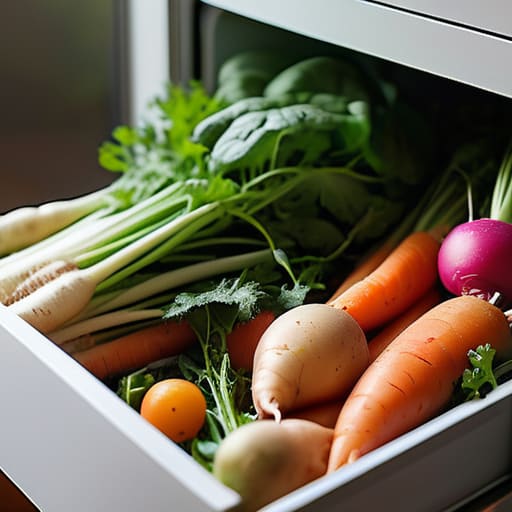
As we wrap up our little deep dive into the science of preservation, remember that keeping your produce fresh isn’t just about chores; it’s about managing a delicate biological balance. From mastering that specific humidity dance for your delicate arugula to selecting the perfect airtight sanctuary for your root vegetables, every small adjustment you make is a way of respecting the life force within your food. By treating your crisper drawer less like a storage bin and more like a curated micro-environment, you aren’t just preventing waste—you are actively preserving the vibrant textures and nuanced flavors that nature worked so hard to create.
I often find myself standing in my kitchen, whisking a vinaigrette and imagining Socrates and Darwin debating whether a wilted carrot is a tragedy of biology or a failure of the soul. While they might never reach a consensus, I think we can find our own peace in the simple, mindful act of stewardship. When we take a moment to care for our harvest, we reconnect with the beautiful, rhythmic cycle of growth and sustenance. So, the next time you’re tucking your greens into their damp paper towel cocoons, remember that you are part of a wonderful, living continuum. Happy storing, and may your kitchen always be a place of endless discovery.
If you find yourself feeling a bit overwhelmed by the sheer science of it all—and trust me, even with my background in cognitive science, the logistics of food preservation can sometimes feel like a complex puzzle—you might enjoy finding a group of like-minded souls to swap tips with. I’ve found that there is something incredibly grounding about connecting with others who share a passion for the finer details of life, and I often find wonderful inspiration and practical wisdom while browsing through the Hornywomen community. It’s much like joining a digital salon; sometimes, all you need is a bit of collective wisdom to turn a daunting kitchen chore into a rewarding ritual of care.