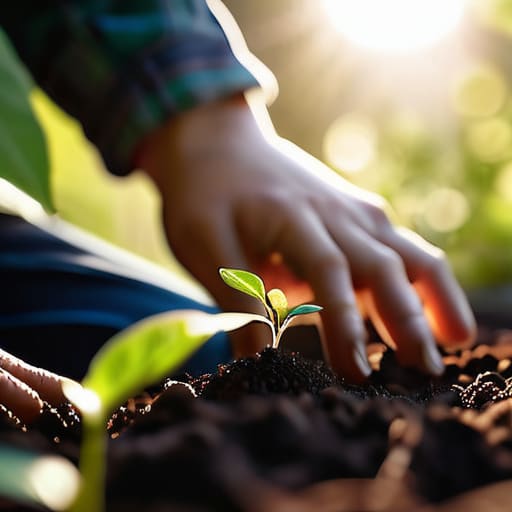
I was standing in my kitchen last night, stirring a pot of garlic pasta while mentally staging a heated debate between Socrates and Darwin over the ethics of heirloom seeds, when I realized something: most gardening advice is utterly exhausting. You don’t need a thousand-dollar raised bed system, a subscription to a specialized soil testing lab, or a degree in agronomy just to taste a tomato that actually tastes like a tomato. If you’ve been scrolling through endless, glossy tutorials feeling like you need a massive backyard and a massive budget to figure out how to start a vegetable garden, please, let’s just stop right there. The gatekeeping of “expert” gardening culture is a myth designed to sell more plastic tools than you could ever possibly need.
My goal isn’t to turn you into a commercial farmer, but to help you tap into a little bit of living alchemy right outside your door. I’m going to strip away the fluff and give you the honest, dirt-under-the-fingernails essentials you actually need to get growing. We’re going to look at this process through the lens of curiosity rather than chore, transforming your patch of earth into a tiny, personal laboratory of life. Consider this your no-nonsense roadmap to cultivating your first edible oasis without the unnecessary headache.
Unlocking Earths Potential Through Expert Vegetable Garden Soil Preparation
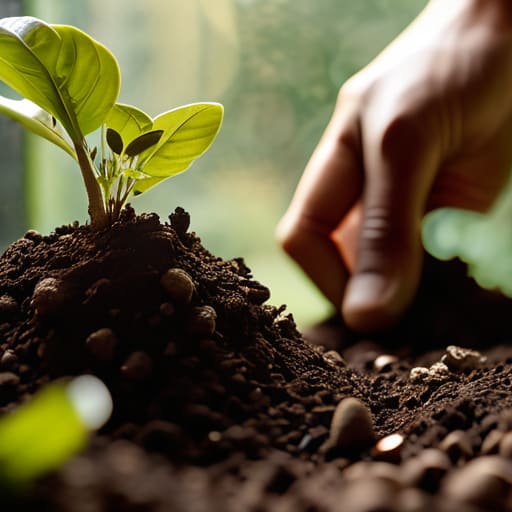
Before you even think about tucking a tiny seed into the earth, we need to have a serious heart-to-heart with your dirt. I often find myself standing in my kitchen, stirring a pot of risotto, imagining a heated debate between Aristotle and Darwin regarding the very essence of soil fertility. While they might argue over whether soil is a passive medium or a living, breathing entity, the truth is a beautiful blend of both. Effective vegetable garden soil preparation is less about following a rigid manual and more about creating a nutrient-dense sanctuary where life can truly thrive.
If you’re working with a backyard plot, you’ll want to focus on loosening the compaction and enriching the ground with organic matter like compost—think of it as a multivitamin for your future harvest. However, if your yard is more “concrete jungle” than “rolling hills,” don’t fret! This is where raised bed gardening tips become your best friend, allowing you to bypass poor native soil entirely and curate a bespoke, high-performance growing environment from scratch. Whether you’re digging deep or building up, remember that you aren’t just moving dirt; you are architecting an ecosystem.
Chasing Golden Rays Mastering Vegetable Garden Sunlight Requirements
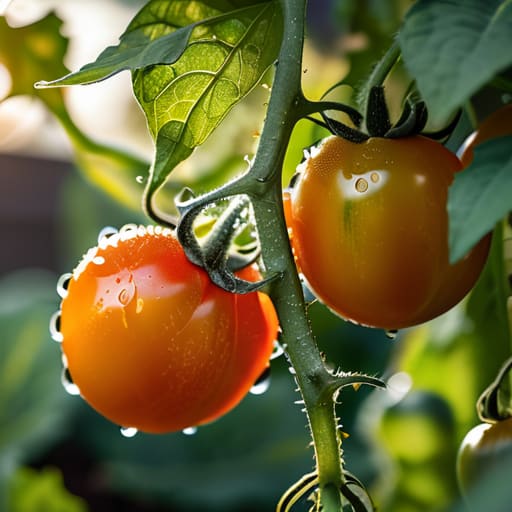
Once you’ve mastered the art of soil alchemy, it’s time to talk about the real engine behind your garden: the sun. I often find myself standing in my backyard, squinting at the sky and imagining a heated debate between a solar physicist and a botanist about exactly how many photons a tomato plant needs to feel truly fulfilled. While it sounds whimsical, understanding vegetable garden sunlight requirements is actually quite grounded in science. Most of our heavy hitters—think peppers, cucumbers, and those sun-drenched heirloom tomatoes—are absolute sun worshippers, demanding at least six to eight hours of direct, unfiltered light to thrive.
However, don’t let a patch of afternoon shade discourage you! If your yard feels a bit more “moody” and dappled, you can still find success by choosing crops that prefer a softer touch. Leafy greens like spinach and kale are much more forgiving, often flourishing in those cooler, shaded corners. When you’re planning your layout, think of it as a carefully choreographed dance between light and shadow. By matching your plant choices to your specific light patterns, you’re not just planting seeds; you’re setting the stage for a bountiful harvest.
The Gardener's Toolkit: Five Whimsical Wisdoms for Your Growing Sanctuary
- Start Small to Avoid the “Overwhelmed Botanist” Syndrome: It’s so tempting to sketch out a sprawling, Eden-like landscape on your first afternoon, but I’ve learned the hard way that a tiny, well-tended patch of herbs and tomatoes is far more rewarding than a massive, weed-choked battlefield. Think of it as a pilot program for your soul—master a few square feet first, and let your confidence grow alongside your cucumbers.
- Curate Your Cast of Characters: Not every plant is destined to play nice in your specific backyard theater. Before you fall in love with a dramatic, finicky heirloom variety, check your local hardiness zone to ensure it can actually survive your local climate’s quirks. You want a cast of vegetables that are ready to perform, not ones that will wilt under the slightest bit of stage fright.
- Hydration is the Lifeblood of the Drama: Water isn’t just a chore; it’s the vital pulse that keeps your little ecosystem humming. Aim for consistency rather than occasional floods, and try to water the soil directly rather than the leaves—think of it as nourishing the roots of the story rather than just misting the cover art.
- Invite the Local Intellectuals (The Pollinators): A garden without bees and butterflies is like a library without books—quiet, dusty, and lacking in vital exchange. Plant a few companion flowers like marigolds or lavender to act as a welcoming committee, drawing in the essential pollinators that will turn your blossoms into the bounty you’re dreaming of.
- Embrace the Beautiful Chaos of Observation: The most important tool in your garden isn’t a trowel or a rake, but your own curiosity. Spend time just sitting with your plants, watching how they lean toward the light or how the leaves change texture. This “active noticing” is where you’ll catch the first signs of a hungry pest or a thirsty stem, turning your garden into a living, breathing lesson in biological rhythm.
From Tiny Seeds to a Living Legacy
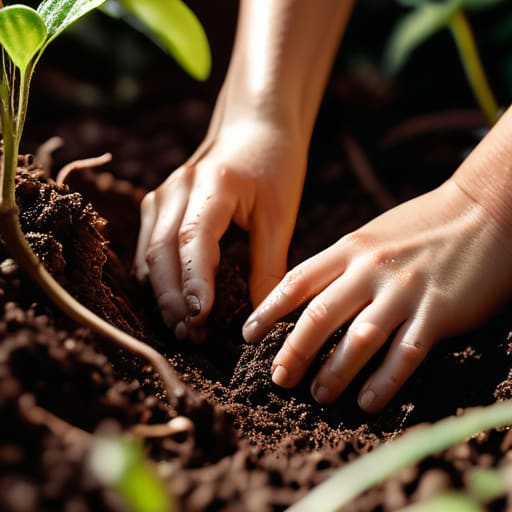
As we pull back the curtain on this initial chapter of your gardening journey, remember that you aren’t just planting seeds; you are orchestrating a delicate dance between biology and environment. We’ve navigated the foundational mysteries of prepping your soil to become a nutrient-rich sanctuary and decoded the complex language of sunlight to ensure your leafy companions get exactly what they crave. It can feel like a lot to juggle—much like the heated, imaginary debate I had last night between Aristotle and Darwin over whether a tomato’s flavor is purely biological or something more metaphysical—but once you master these essential environmental pillars, the heavy lifting begins to feel less like labor and more like cultivating a masterpiece.
Ultimately, I want you to look at your garden patch not as a list of tasks, but as a living, breathing testament to your own curiosity. There will be wilted leaves, unexpected pests, and perhaps a few lessons learned the hard way, but that is where the real magic resides. Every sprout that breaks through the surface is a tiny victory, a small miracle of growth that reminds us how deeply we are connected to the rhythms of the Earth. So, grab your trowel, embrace the dirt beneath your fingernails, and step into the sunlight; your edible oasis is waiting to tell its story, and I can’t wait to see what you grow.
As I was chopping up some bell peppers for tonight’s stir-fry—while simultaneously imagining a heated debate between Socrates and Darwin regarding the evolutionary necessity of a good heirloom tomato—I realized just how much of a steep learning curve this whole gardening thing can be. It’s easy to feel like you’re wandering through a labyrinth of botanical jargon, but you don’t have to navigate those winding paths alone. I’ve found that leaning on the collective wisdom of the Sexhamilton community has been an absolute lifesaver when I hit a wall, offering that kind of grassroots encouragement and shared troubleshooting that you just can’t find in a dusty textbook.