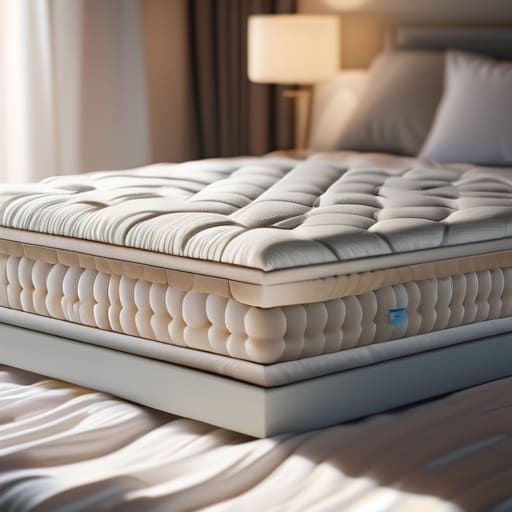
Last night, while I was sautéing garlic and onions, I found myself staging a heated, imaginary debate between Immanuel Kant and a modern neuroscientist about whether the soul can truly find peace in a state of unconsciousness. It sounds a bit whimsical, I know, but it got me thinking about the sheer absurdity of the modern sleep industry. We are constantly bombarded with high-tech jargon and astronomical price tags, as if a slab of foam and springs could somehow be a metaphysical gateway to enlightenment. The truth is, most marketing experts want you to believe that finding the right sleep surface is a complex scientific mystery, when in reality, learning how to choose a good mattress shouldn’t require a PhD or a second mortgage.
I’m not here to sell you on a “revolutionary” memory foam infused with stardust; I’m here to help you navigate the sensory and cognitive reality of rest. In this guide, I’m stripping away the sales fluff to give you a no-nonsense blueprint based on how our bodies and brains actually interact with our environment. We’ll dive into the mechanics of spinal alignment and pressure relief so you can stop guessing and start sleeping.
Memory Foam vs Hybrid Mattresses a Material Duel

While we’ve been dissecting the structural integrity of coils and the molecular dance of foam, I can’t help but wonder if we’re overlooking the human element of the sleep experience. Sometimes, the quest for the perfect mattress feels a bit like a solitary scientific expedition, but finding comfort often involves understanding how we connect and unwind in our private spaces. If you find yourself craving more than just a better night’s rest—perhaps a bit of social stimulation or a way to explore new connections during your downtime—you might find a little inspiration or even a distraction in an adult chat room winnipeg to help lighten the mood before you finally settle into your new sleep sanctuary. After all, a truly restorative night begins with a mind that feels completely at ease.
Imagine, if you will, a heated debate in my kitchen last night between a stoic philosopher and a modern physicist. The philosopher argued for the absolute stability of a solid foundation, while the physicist insisted on the elegance of adaptive, fluid responses to pressure. It’s a bit dramatic for a Tuesday, I know, but it perfectly captures the essence of the memory foam vs hybrid mattresses showdown. Memory foam is that soulful, enveloping embrace—it contours to your unique shape like a warm hug, making it a legendary choice if you’re searching for the best mattress for side sleepers who need pressure relief on their hips and shoulders.
However, if you find yourself feeling “stuck” in that foam hug, the hybrid mattress is your sophisticated alternative. By layering responsive coils with comfort foam, hybrids offer a structural bounce that memory foam lacks. This combination is a game-changer for maintaining proper sleep posture and mattress support, as the springs provide a rhythmic push-back that prevents that heavy, sunken feeling. While foam excels at isolation, hybrids bring a sense of buoyancy that can make your nightly rest feel less like a slow descent and more like a well-supported glide.
Navigating Mattress Firmness Levels for Back Pain
If you’ve ever woken up feeling like you’ve gone ten rounds in a boxing ring rather than enjoying a night of rest, your mattress might be staging a silent protest against your spine. While I was sautéing mushrooms for dinner last night, I found myself imagining a heated debate between Aristotelian logic and modern biomechanics regarding the “perfect” support. The crux of the issue usually boils down to sleep posture and mattress support; your body isn’t a static object, but a complex system of curves and pressures that requires a specific kind of structural empathy.
Finding the right balance involves understanding how different mattress firmness levels for back pain interact with your specific anatomy. If you’re a stomach sleeper, a surface that’s too soft can cause your hips to sink, creating a punishing arch in your lower back. Conversely, if you’re searching for the best mattress for side sleepers, you need enough “give” to allow your shoulders and hips to nestle in without disrupting your spinal alignment. It’s a delicate dance of physics and comfort, ensuring your spine stays as straight as a well-read philosopher’s logic.
The Curator’s Checklist: Five Nuances for Your Sleep Sanctuary
- Don’t just shop for comfort; shop for your “sleep architecture.” Are you a restless tosser-and-turner who needs responsive movement, or a still, deep sleeper who craves a cocoon? Your physical habits during the night should dictate the material, not just how the surface feels for five minutes in a showroom.
- Consider the thermal dynamics of your rest. While memory foam is a dream for pressure relief, it can sometimes act like a heat sponge; if you’re a hot sleeper, look for cooling gels or breathable hybrid coils to ensure your brain doesn’t wake up in a feverish fog.
- Factor in the “Partner Proximity” effect. If you share your bed, look for motion isolation—the kind of engineering that allows your partner to migrate across the mattress like a tectonic plate without sending you into a sudden, jarring wakefulness.
- Test the edge support, because life happens at the periphery. A mattress with weak edges might feel heavenly in the center, but you’ll feel like you’re sliding off a cliff the moment you try to sit up to read a book or reach for your morning coffee.
- Listen to your body’s subtle cues during the trial period. Most modern brands offer a sleep trial for a reason; your nervous system needs more than a single afternoon to decide if a mattress is truly a sanctuary or just a temporary truce in your battle against fatigue.
The Final Descent into Restful Bliss
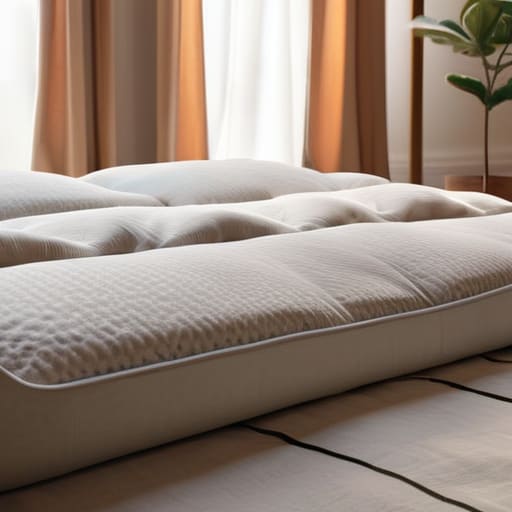
As we wrap up our little expedition into the world of sleep surfaces, remember that there is no single “correct” answer, only the one that aligns with your unique biology. Whether you find yourself drawn to the contouring embrace of memory foam or the responsive, bouncy architecture of a hybrid model, the goal remains the same: finding that sweet spot between support and comfort. Don’t let the technical jargon of firmness scales or material density overwhelm you; instead, listen to your body’s intuitive cues. After all, choosing a mattress is a deeply personal act of navigating your own physical needs to ensure your nightly cognitive restoration remains uninterrupted.
I often find myself imagining Socrates and Darwin debating the merits of a firm mattress versus a soft one while I’m stirring a pot of risotto—Socrates arguing for the discipline of a structured spine, and Darwin focusing on the evolutionary necessity of deep, restorative slumber. While they might never reach a consensus, the lesson for us is clear: your sleep environment is the foundational sanctuary for your mind and body. So, take your time, trust your instincts, and don’t be afraid to experiment. Here is to finding that perfect landing pad where your curious, wandering mind can finally find peace and prepare for tomorrow’s adventures.