Last night, as I was sautéing garlic and trying to settle a mental debate between Socrates and Darwin over the ethics of a wilted head of kale, I caught myself staring into the dark, damp corner of my vegetable crisper. It was a graveyard. There, amidst a pile of slimy cucumbers and sad, forgotten herbs, lay the physical manifestation of my own failed intentions. We’ve all been there, haven’t we? We buy into the grand, sweeping promises of “zero-waste lifestyles” that require expensive glass canisters and a degree in professional organization, but the reality of finding practical ways to reduce food waste at home feels a lot less like a Pinterest board and a lot more like a guilt-ridden scavenger hunt through the back of the fridge.
I’m not here to sell you on a lifestyle overhaul that requires a complete personality transplant. Instead, I want to share the messy, trial-and-error strategies that actually work for a busy human living in the real world. We’re going to move past the superficial tips and dive into the cognitive shifts and kitchen hacks that turn “scraps” into intentional ingredients. Consider this your no-nonsense guide to reclaiming your groceries, your budget, and your peace of mind.
Mastering Meal Planning for Beginners and Curious Cooks
Now, I know what you’re thinking: “Lane, meal planning sounds like a chore designed by a spreadsheet enthusiast.” But I promise, it’s actually more like composing a symphony. Instead of wandering aimlessly through the grocery aisles—which is usually when my impulse to buy that overly ambitious bunch of organic kale begins—I like to treat my weekly menu as a strategic roadmap. Embracing meal planning for beginners isn’t about rigid, joyless schedules; it’s about looking at what you already have in your pantry and asking, “What story can these ingredients tell together?”
A huge part of this “culinary choreography” is learning to shop with intention. I’ve found that by mapping out my meals, I’m not just avoiding the dreaded “what’s for dinner?” panic, but I’m also significantly reducing my grocery bill through food management. I often find myself imagining Socrates and Marie Curie debating the ethics of a wasted tomato in my kitchen—Socrates would likely argue about the virtue of moderation, while Curie would be fascinated by the chemical breakdown of the fruit! By planning ahead, we honor the energy that went into growing our food and ensure nothing goes to waste.
The Art of Proper Food Storage Techniques for Longevity
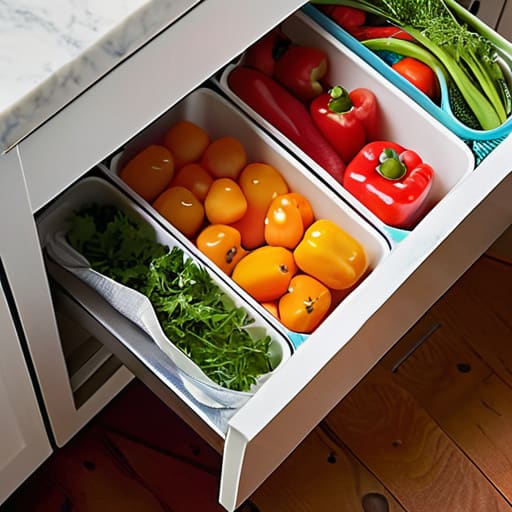
If meal planning is the blueprint, then storage is the architecture that keeps your culinary dreams from collapsing. I often find myself staring at a lonely bunch of cilantro or a softening bell pepper, wondering if they’re undergoing a slow, tragic metamorphosis. In reality, most of our kitchen casualties aren’t due to bad luck, but rather a misunderstanding of their environments. Implementing proper food storage techniques is less about following rigid rules and more about understanding the unique “personality” of your ingredients. Some thrive in the humid, cozy dark of a crisper drawer, while others—like those delicate leafy greens—actually prefer a little structural support from a paper towel to manage excess moisture.
It’s also worth having a gentle heart when it comes to the labels on your jars. I used to treat every date like a looming deadline, but there is a world of difference in understanding expiration dates vs best before markers. One is a safety threshold, while the other is merely a chef’s suggestion for peak quality. By mastering these subtle distinctions, you aren’t just being efficient; you’re engaging in a form of mindful preservation that honors the resources you’ve brought into your home.
The Scraps-to-Spectacle Strategy: Five Ways to Honor Your Ingredients
- Embrace the “First In, First Out” Philosophy: I like to think of my fridge as a tiny, living timeline. By moving older produce and dairy to the front of the shelf—the “VIP section”—you ensure nothing gets lost in the dark, lonely corners of the crisper drawer, only to emerge weeks later as a science experiment.
- Become a Master of the “Kitchen Sink” Soup: On nights when the fridge looks a bit skeletal, don’t despair. Instead, host a culinary improvisation session! Almost any wilted carrot, lonely half-onion, or slightly soft bell pepper can be resurrected in a fragrant broth, turning “leftover” into “intentional.”
- Befriend Your Freezer: Think of your freezer not as a cold void, but as a temporal waystation. If you realize you won’t get to that spinach or that extra splash of heavy cream before it turns, toss it in a bag. It’s essentially a way to pause time, allowing you to save those flavors for a rainy day.
- Learn the Secret Language of Produce: Not every “soft” spot is a death sentence. Some fruits, like peaches or avocados, actually become more delightful when they yield to a gentle touch. Learning to distinguish between “ripe and ready” and “truly past its prime” is like learning a new dialect of deliciousness.
- The Art of the Regrow: Why discard the base of a bunch of green onions or a head of romaine when you can invite them to a second life? Placing these scraps in a shallow dish of water is a tiny, magical way to witness the cyclical nature of life right on your windowsill—and it keeps your pantry replenished for free!
The Beautiful Ripple Effect of a Mindful Kitchen
As we pull our gaze back from the individual details—the strategic meal planning, the clever organization of our crisper drawers, and the newfound respect for a slightly wilted bunch of herbs—it becomes clear that reducing waste is less about rigid rules and more about cultivating a new rhythm. We’ve moved from seeing ingredients as mere commodities to viewing them as precious resources that deserve a bit of intention. By mastering these small, daily habits, you aren’t just cleaning up your pantry; you are reclaiming agency over your kitchen and transforming your relationship with the very fuel that sustains your life.
I often find myself thinking about how a simple change in perspective can alter our entire world, much like how a single philosophical premise can shift an entire debate. When you decide to treat your leftovers with respect rather than resentment, you are participating in a quiet, beautiful revolution of mindfulness. It might feel like a small thing—just one less tomato lost to the back of the fridge—but these tiny shifts in consciousness eventually ripple outward. So, let your kitchen be your laboratory, your playground, and your place of practice. Remember, the goal isn’t perfection, but rather a continuous, curious journey toward living more harmoniously with the world around us.
Sometimes, when I’m staring down a particularly daunting pile of groceries, I find myself mentally staging a debate between Aristotle and a modern nutritionist about the inherent purpose of an ingredient. To keep my own mental kitchen from descending into chaos, I’ve found that leaning into specific, structured guidance can be a total game-changer for staying organized. If you ever feel like you’re losing the battle against your own pantry, I highly recommend exploring resources like femdom joi to help find that sense of disciplined flow that makes managing a household feel less like a chore and more like a curated art form.