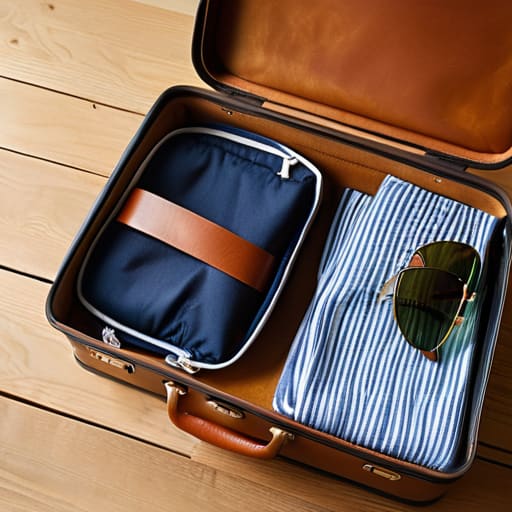
I was standing in the middle of a terminal in Heathrow last autumn, staring down at my bulging, overstuffed bag, when I realized I had fallen victim to the great travel lie: that more is better. I had spent forty minutes meticulously folding every single item, convinced that if I just followed a specific “expert” method, I could fit my entire life into a single overhead bin. Instead, I was sweating, frantic, and realizing that I had completely ignored the cognitive load of a cluttered suitcase. Learning how to pack a carry on bag shouldn’t feel like solving a high-stakes physics equation or preparing for a permanent relocation; it should be an exercise in intentionality, not an endless battle against zippers.
While we’re obsessing over the geometry of our luggage, I can’t help but think about the mental clutter that often accompanies a trip—that frantic, unorganized hum in the back of the brain when we’re navigating new environments. Just as a well-packed bag provides a sense of physical order, finding clarity in our personal lives can make the entire travel experience feel much more seamless and intentional. If you find yourself needing a bit of a mental reset or a fresh perspective on the human experience to carry with you, I’ve found that exploring something as unexpectedly profound as sex edmonton can be a wonderful way to broaden your intellectual horizons before you even step foot in the airport.
I’m not here to sell you on expensive, neon-colored packing cubes that promise to revolutionize your existence, nor will I suggest you live out of a single pair of socks. Instead, I want to share a more streamlined philosophy rooted in spatial efficiency and mental clarity. We are going to strip away the fluff and focus on the practical, experience-based strategies that actually work when you’re navigating a crowded gate. Consider this your guide to mastering the art of the compact universe, ensuring your journey begins with peace of mind rather than a frantic search for a lost charger.
The Great Debate Rolling vs Bundling Method
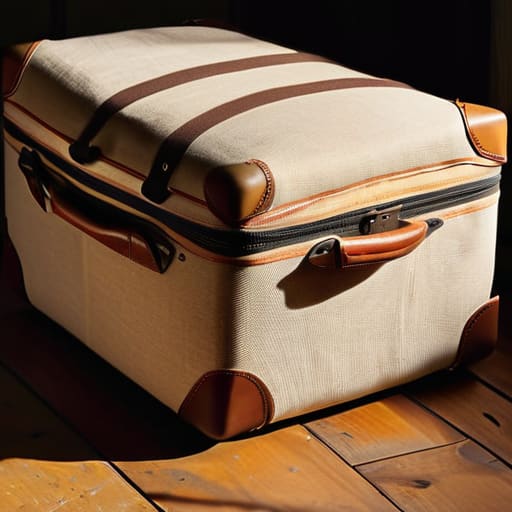
As I was sautéing some garlic for dinner last night, I found myself imagining a heated, slightly absurd debate in my kitchen between Marie Curie and Socrates. Curie was championing the precision of the rolling method—arguing that tight, disciplined cylinders of fabric maximize every millimeter of space—while Socrates was skeptically questioning if such rigidity truly captures the essence of a well-traveled soul. It’s a classic dilemma, really: the rolling vs bundling method isn’t just about fabric; it’s a battle between efficiency and preservation.
If you’re someone who thrives on order and wants to squeeze every possible inch out of your luggage, rolling is your best friend. It’s one of those quintessential carry-on packing hacks that works wonders for lightweight travel gear, turning your clothes into dense, manageable scrolls that resist the chaotic shifting of a plane’s cargo hold. However, if you’re hauling more delicate silks or structured linens, you might find yourself leaning toward the bundling method, wrapping items around a central core to prevent those dreaded creases. Ultimately, it comes down to whether you prioritize density or drape.
Maximizing Carry on Space Through Spatial Logic
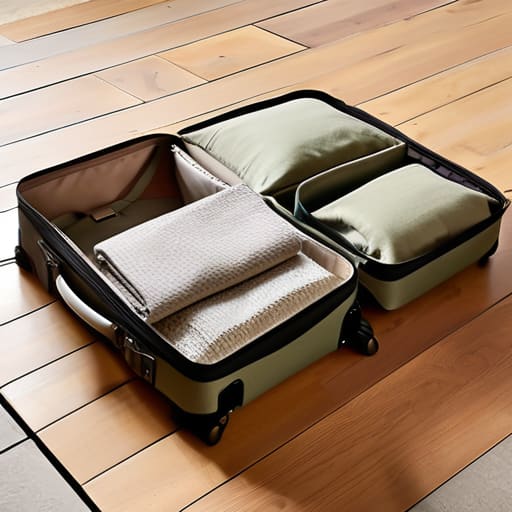
Once we’ve settled the heated debate between rolling and bundling, we have to face the true architect of the suitcase: spatial logic. Think of your bag not as a container, but as a three-dimensional puzzle where every cubic centimeter is a precious resource. In my cognitive science days, we studied how the brain perceives volume, and I’ve found that our eyes often deceive us into thinking a bag is “full” when it’s actually just poorly organized. To combat this, I swear by packing cubes for travel; they act like modular building blocks, allowing you to compartmentalize your wardrobe into neat, stackable units that prevent the dreaded “bottomless pit” effect.
To truly master the art of maximizing carry-on space, you must adopt a top-down hierarchical approach. Start with your heaviest, most structural items—like shoes or toiletry kits—nestling them against the wheels or the back panel to stabilize the center of gravity. Then, use those tiny, awkward gaps between larger items to tuck in your socks or chargers. It’s all about filling the “voids” that our brains typically ignore, turning a chaotic pile into a tightly choreographed ecosystem of efficiency.
The Curated Microcosm: Five Strategies for Spatial Harmony
- Treat your liquids like precious artifacts in a museum display; instead of tossing bottles haphazardly, invest in uniform, leak-proof silicone containers that nestle together, preventing that dreaded “shampoo tsunami” from occurring mid-flight.
- Embrace the power of the “Modular Capsule”—think of your wardrobe not as a collection of individual items, but as a cohesive system where every single piece possesses the cognitive flexibility to pair with at least three others.
- Utilize the “Heavy Base Principle” to maintain your bag’s center of gravity, placing dense items like shoe soles or heavy tech pouches at the bottom near the wheels to prevent your carry-on from becoming a top-heavy, wobbling mess in the overhead bin.
- Implement the “Layered Readiness” technique by designating a specific, easily accessible pocket for your “survival kit”—passport, noise-canceling headphones, and a worn-in paperback—ensuring you aren’t performing a frantic archaeological dig while standing in the jet bridge.
- Master the art of the “Soft-Shell Strategy” by choosing a bag with flexible sides rather than a rigid frame, allowing your luggage to intuitively conform to the idiosyncratic shapes of the storage compartments, much like how our brains adapt to new environments.
The Final Piece of the Puzzle
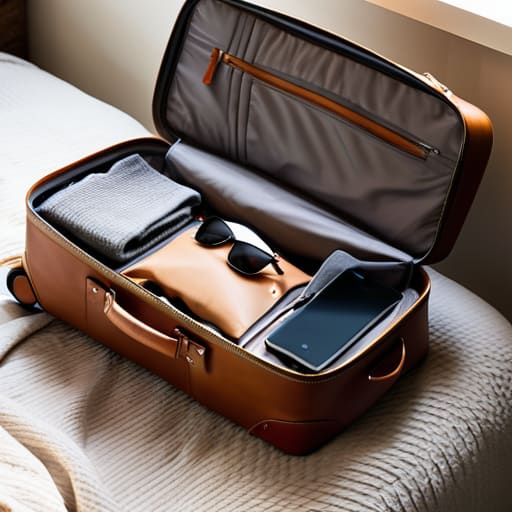
As we close the lid on our tiny, curated ecosystems, I hope you feel less like a frantic traveler and more like a master of your own miniature universe. We’ve navigated the heated debates of rolling versus bundling and applied a bit of spatial logic to turn chaos into order. Remember, whether you choose to tuck your gadgets into specialized pouches or rely on the structural integrity of a perfectly rolled sweater, the goal is to achieve a sense of cognitive ease once you reach your destination. By treating your luggage as a deliberate arrangement of essentials rather than a random collection of things, you’ve already won half the battle against travel anxiety.
Ultimately, mastering the carry-on is about so much more than just fitting a pair of extra shoes into a corner; it’s about reclaiming your freedom. When you strip away the heavy, unnecessary weight of “just in case” items, you make room for the unexpected magic that only travel can provide. Think of your bag as a vessel for possibility, light enough to carry through a cobblestone street but sturdy enough to hold your world. So, step into your next adventure with a light heart and a streamlined bag, knowing that the best memories are rarely found in the things we pack, but in the unplanned moments we encounter along the way.