I once found myself on a so-called “eco-tour” in a place that promised sustainable interactions with wildlife. Picture this: a group of tourists armed with smartphones and a guide spewing facts like an overzealous Wikipedia page. We ambled through a reserve where the animals seemed about as wild as a house cat, and I couldn’t shake the feeling that we were the ones on display. It was as if we were parading through nature’s living room, oblivious to the fact that we were the unwelcome guests. The irony was palpable—here we were, under the guise of conservation, turning nature into a sideshow attraction.
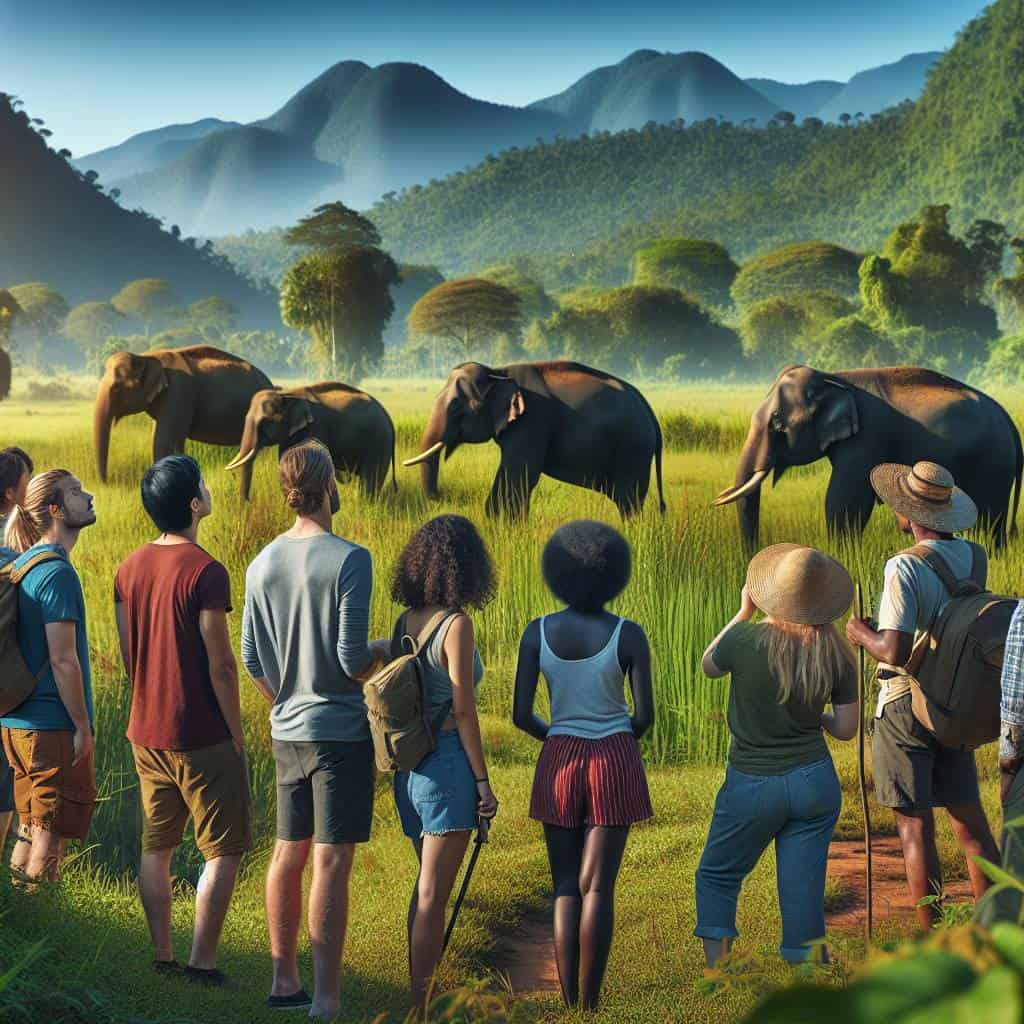
So, what’s the real story behind sustainable wildlife tourism? In the upcoming exploration, I’ll dive into the murky waters of what truly defines ethical interactions with nature. From sanctuaries that provide genuine refuge to reserves that shun the gimmicks of feeding frenzies and contrived animal selfies, we’ll sift through the noise to find the sanctuaries that stand as beacons of authenticity. Forget the buzzwords and the brochures; let’s talk about what it really means to honor the wild without turning it into a theme park.
Table of Contents
Why I Refused to Feed the Monkeys: A Tale of Ethical Temptation
Standing on the edge of the lush sanctuary, where the air buzzes with the symphony of wild chatter, I felt a tug—a pull towards something as primal as the nature enveloping me. Monkeys, with their expressive eyes and dexterous fingers, beckoned with a promise of momentary connection. Yet, I clutched the small pouch of snacks tighter and shook my head. Feeding them would have been easy, even gratifying, but I chose to step back. This wasn’t about denying a simple pleasure; it was about respecting the intricate web of life that sustains them.
You see, these creatures aren’t props for our amusement or a novelty for our Instagram feeds. They are part of a delicate ecosystem, one that thrives on balance and mutual respect. In sustainable wildlife tourism, true sanctuaries are not petting zoos. They are refuges, where animals live on their terms, not ours. By feeding the monkeys, I would have been an intruder, disrupting their natural behaviors and diet, potentially inviting dependency that nature never intended. It’s a tempting lure, the desire to connect, but real connection sometimes means resisting the urge to interfere.
A nature reserve should be a testament to coexistence, not a stage for human whims. I chose to let the monkeys be wild, to let them scamper and forage without my influence. It was a small act, refusing to feed them, but in that moment, it felt like a quiet rebellion against the superficial spectacle of ‘wildlife experiences’. It was a reminder that true respect for nature means sometimes stepping aside and letting it unfold in its own untamed beauty.
The Untamed Truth of Saying No
In the end, it’s about making choices that align with a deeper respect for the wild. I’ve learned that the true sanctuaries are often the ones that don’t feel the need to parade their inhabitants for our amusement. These places, these pockets of genuine nature reserves, remind me that real connection doesn’t require a transaction. It only asks for patience and the willingness to let animals exist without interference.
Walking away from those enticing opportunities to feed or touch, I’ve found an unexpected freedom. I am unburdened by the guilt of complicity in a system that commodifies the untamed. Instead, I carry a quiet satisfaction, knowing that by saying ‘no,’ I’m part of a growing movement that values life in its rawest form. It’s not always easy, nor is it always popular, but it feels like the only honest path forward.