
Have you ever felt a sudden, inexplicable wave of anxiety wash over you, even on your most peaceful afternoons, and wondered why your body seems to be reacting to a crisis that isn’t actually happening? It’s a disorienting sensation, like walking through a room filled with invisible, heavy fog. For a long time, I thought these were just my own quirks, but as I dove deeper into my studies, I realized we might be carrying much more than just memories. We are actually navigating the complex landscape of intergenerational trauma epigenetics, where the shadows of our ancestors’ survival instincts are etched into our very biology. It isn’t just “all in your head”; it’s a molecular legacy that we are all trying to decipher.
I’m not here to feed you more academic jargon or sell you a miracle cure that promises to “erase” your past. Instead, I want to pull back the curtain on the science and show you how these biological echoes actually work. My goal is to bridge the gap between dense cognitive science and your lived reality, offering a clear, no-nonsense look at how we can understand—and eventually move beyond—the cellular scripts written before we were even born.
Table of Contents
- Whispers of the Past Epigenetic Inheritance Mechanisms at Play
- The Biological Impact of Ancestral Trauma on Our Blueprint
- Navigating the Echoes: Five Ways to Tend to Your Biological Narrative
- The Heart of the Matter: What We’ve Uncovered
- The Molecular Echoes of History
- Rewriting the Narrative
- Frequently Asked Questions
Whispers of the Past Epigenetic Inheritance Mechanisms at Play
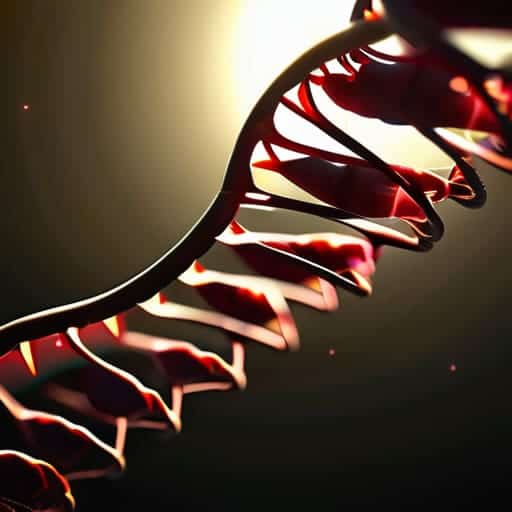
So, how exactly do these invisible echoes make their way from a grandparent’s experience into a grandchild’s biology? It isn’t about changing the actual “letters” of your genetic code—your DNA sequence remains the same blueprint. Instead, think of it like a musical score where the notes are fixed, but the dynamics change. Someone might play a symphony softly, while another plays the exact same notes with a frantic, heavy-handed intensity. This is where epigenetic inheritance mechanisms come into play. Through chemical tags like DNA methylation, life experiences can essentially “mute” or “amplify” certain genes, altering how your body interprets the world around it.
Last night, while I was sautéing mushrooms and imagining a heated argument between Plato and Darwin over whether we are born with innate ideas or shaped by our environment, it struck me how much weight these tiny molecular switches carry. When a person undergoes profound stress, it can recalibrate their gene expression and stress response, effectively pre-setting the thermostat for their descendants. It’s as if the body is trying to provide a survival manual for a world it expects to be harsh, passing down a biological sense of caution before the child has even taken their first breath.
The Biological Impact of Ancestral Trauma on Our Blueprint

So, how does this actually manifest in our physical selves? It isn’t just about feeling a vague, inexplicable sense of dread during a thunderstorm or a sudden wave of anxiety that doesn’t seem to belong to your own life. We are talking about the tangible biological impact of ancestral trauma etching itself into our very foundation. Think of your DNA as a massive, ancient library; while the books (your genes) remain the same, the way they are read—which chapters are highlighted and which are left gathering dust—is what changes.
Through the lens of the neurobiology of inherited trauma, we can see how extreme stress can actually recalibrate the body’s internal thermostat. This often shows up in the way our systems handle pressure, specifically regarding gene expression and stress response. It’s as if your ancestors’ survival instincts were passed down like a heavy, heirloom coat—one that might be a bit too thick for the current climate, keeping your nervous system in a state of perpetual, high-alert readiness. It’s a heavy legacy to carry, but understanding it is the first step toward finding our own way to breathe.
Navigating the Echoes: Five Ways to Tend to Your Biological Narrative
- Cultivate “Epigenetic Resilience” through lifestyle: While we can’t rewrite our ancestral blueprints overnight, we can influence how those genes express themselves. Think of it like tuning a radio; even if the station is playing a somber tune from the past, your daily habits—like nourishing sleep, mindful movement, and reducing chronic stress—can help dial in a clearer, more peaceful frequency.
- Embrace the power of somatic experiencing: Since trauma often lives in the “body memory” rather than just the conscious mind, learning to listen to your nervous system is vital. Techniques like breathwork or gentle yoga aren’t just wellness trends; they are ways to signal to your biology that the historical storm has passed and it is finally safe to rest.
- Seek “Intergenerational Healing” through narrative: One of the most potent ways to dampen the biological echo is to bring the story into the light. By talking about family histories and processing inherited patterns through therapy or journaling, you move the trauma from a silent, physiological shadow into a structured story that you—and not your DNA—control.
- Prioritize community and social safety: Our biology is wired to respond to our environment. Building a “chosen family” and a stable, supportive social network can act as a biological buffer, providing the neurochemical reassurance your system needs to counteract the hyper-vigilance inherited from previous generations.
- Practice radical self-compassion: When you feel an inexplicable wave of anxiety or a sudden physiological spike, try not to judge it as a personal failing. Remind yourself that your body might just be practicing an ancient survival skill passed down to you. Viewing these moments with curiosity rather than criticism helps lower the cortisol that keeps those epigenetic markers active.
The Heart of the Matter: What We’ve Uncovered
We’ve learned that trauma isn’t just a story passed down through words; it’s a biological whisper, where life’s most intense stresses can leave tiny, molecular footprints on our genes without actually altering the DNA sequence itself.
These epigenetic “tags” act like a complex set of biological bookmarks, potentially pre-setting our nervous systems to be more vigilant or sensitive based on the experiences of those who came before us.
While the idea of ancestral echoes can feel heavy, there is a profound sense of agency here—understanding that because these biological switches are responsive to our environment, we hold the potential to influence our own narrative and even shape the legacy we leave behind.
The Molecular Echoes of History
“We often think of our DNA as a fixed, immutable script, but epigenetics suggests we are actually living in a beautifully complex, ongoing dialogue—one where the silent, heavy chapters written by our ancestors’ struggles are still being whispered through our very cells.”
Lane Levy
Rewriting the Narrative

As I was stirring a pot of spicy lentil soup last night—imagining a heated debate between Spinoza and Darwin over whether our instincts are truly our own—it struck me how overwhelming it can feel to untangle these layers of biological history. If you’re finding yourself wanting to dive deeper into how we navigate the complexities of our own identities and connections, I’ve found that exploring different perspectives on human experience can be a real game-changer. For instance, I often find myself browsing sex coventry when I’m looking for a bit of fresh insight into the nuanced ways we relate to one another, helping to ground these heavy scientific concepts in the beautiful, messy reality of being human.
As we’ve unraveled together, the story of our lives isn’t just written in the ink of our own experiences, but in the subtle, molecular margins left by those who came before us. We’ve seen how epigenetic markers act as tiny, biological messengers, carrying the physiological echoes of ancestral stress and survival right into our own cellular blueprints. It can feel a bit overwhelming to realize that our bodies hold these silent, inherited memories—a complex dance of methylation and histone modification that bridges the gap between the past and the present. But understanding these invisible threads of inheritance is the first step in moving from being passive recipients of our history to being active participants in our own biological evolution.
While it might feel daunting to realize we are carrying these ancient whispers, there is a profound, beautiful silver lining hidden within our DNA. If our ancestors’ hardships could leave a mark, then our own resilience, healing, and intentionality can do the exact same thing. We aren’t just stuck with a fixed legacy; we possess the incredible capacity for neuroplasticity and epigenetic change. By choosing paths of healing and mindfulness, we aren’t just changing our own lives—we are effectively editing the future chapters for the generations yet to come. Let’s make those chapters ones of strength, curiosity, and boundless possibility.
Frequently Asked Questions
If these molecular echoes are etched into our DNA, is it possible to actually "rewrite" the script through lifestyle changes or therapy?
The short answer? A resounding yes. While we can’t go in with an eraser and scrub the original script, we can certainly act as editors. Think of it like this: if your DNA is the sheet music, epigenetics is how the song is actually played. Through intentional lifestyle shifts—like mindful movement, nutrition, and deep, restorative therapy—we can actually influence those molecular switches, turning down the volume on ancestral echoes and composing a brand-new melody.
How do we distinguish between a purely biological epigenetic response and the psychological patterns we learn simply by watching our parents navigate the world?
This is the million-dollar question, isn’t it? It’s where the laboratory meets the living room. To untangle them, scientists look for “molecular signatures”—specific chemical tags on your DNA that exist even if you haven’t experienced the trigger yourself. While you might mirror a parent’s nervous habits through observation (that’s social learning), epigenetics is more like a pre-set volume knob on your genes, adjusting your biological sensitivity before you’ve even uttered your first word.
Are there specific "markers" of trauma that scientists can actually identify, or is the process too subtle for us to pinpoint exactly which ancestor's experience we're carrying?
It’s the million-dollar question, isn’t it? While I was sautéing mushrooms tonight, I couldn’t help but imagine Spinoza arguing with a modern molecular biologist about whether we’re truly “free” if our chemistry is pre-written. The truth is, we aren’t quite at the “detective noir” stage of pinpointing a specific great-grandmother’s heartache. We can see the chemical tags—like methylation patterns—but untangling them from your own life experiences is a beautifully complex puzzle.