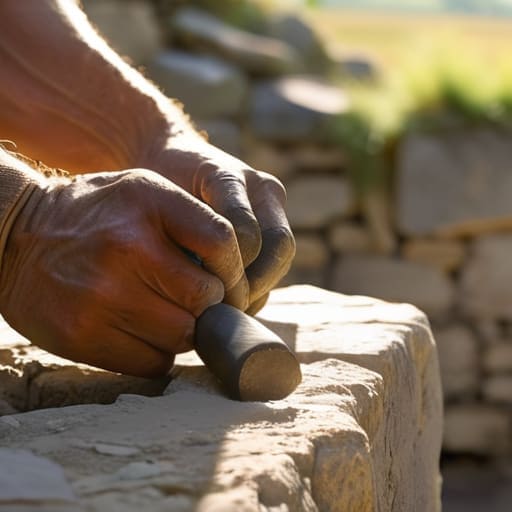
I was standing in my kitchen last night, stirring a pot of spicy lentil dal, when I found myself staging a heated debate between Socrates and Darwin about the very nature of permanence. It’s a bit of a habit of mine, but it hit me hard when I thought about the crumbling limestone walls I saw during my first weekend of heritage stonework restoration volunteering. Most people will tell you that preserving history is this lofty, academic pursuit reserved for PhDs or people with endless bank accounts, but let’s be real: that’s a total myth. In reality, it’s much more tactile and grounded than that. It’s about the grit under your fingernails and the sudden, quiet realization that you are physically holding a piece of the past in place so it doesn’t vanish into thin air.
I’m not here to sell you on some polished, romanticized version of historical preservation. Instead, I want to give you the unfiltered truth about what it actually takes to get your hands dirty. I’ll be sharing the practical, boots-on-the-ground realities of finding the right projects, the skills you’ll actually use, and how to navigate the learning curve without feeling like an imposter. Consider this your honest roadmap to making a tangible impact.
Table of Contents
- Dancing With Dust Uncovering Cultural Heritage Conservation
- Community Based Restoration Projects Building More Than Just Walls
- The Artisan’s Toolkit: A Few Tips for Your First Encounter with Ancient Stone
- The Heart of the Stone: What You’ll Carry Home
- The Tactile Thread of Time
- The Lasting Impression of a Hand on Stone
- Frequently Asked Questions
Dancing With Dust Uncovering Cultural Heritage Conservation
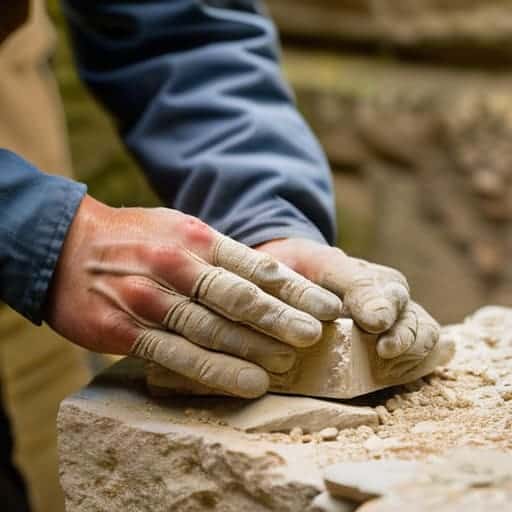
There is something almost meditative about the way dust settles on a centuries-old archway, isn’t there? It’s not just debris; it’s a fine powder of time itself. When I dive into the world of cultural heritage conservation, I often find myself imagining what a conversation between Vitruvius and a modern-day mason might sound like. Would they argue over the soul of a stone, or simply marvel at how a well-placed wedge can defy gravity for another hundred years? Engaging in these projects feels less like manual labor and more like participating in a slow, rhythmic dance with history.
Getting your hands dirty through community-based restoration projects offers a perspective you just can’t get from a textbook. You aren’t just fixing a wall; you are learning the language of the landscape. For instance, there is a profound, tactile magic in learning lime mortar application—understanding how a breathable, soft mixture protects the integrity of the stone compared to the harsh, modern cements that often do more harm than good. It’s a delicate, rewarding puzzle that connects your own heartbeat to the enduring pulse of the past.
Community Based Restoration Projects Building More Than Just Walls
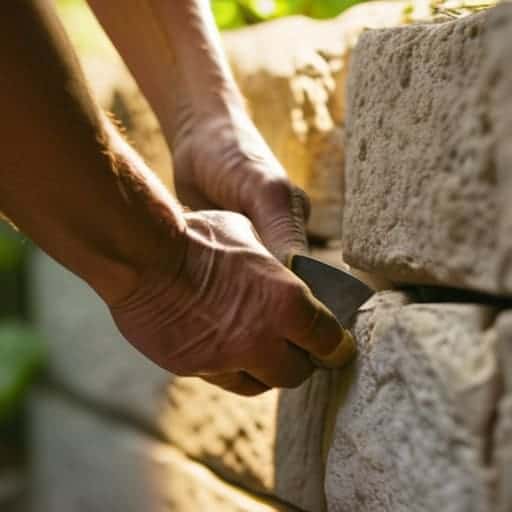
If you find yourself feeling a bit overwhelmed by the sheer scale of these preservation efforts, don’t worry—even the most seasoned historians started with a single, shaky trowel. I always suggest looking for local community hubs or niche forums where people share their hands-on experiences and practical advice. Sometimes, finding a sense of connection and a way to unwind after a long day of manual labor is just as important as the work itself; for instance, if you’re looking to balance your passion for history with some local social exploration, checking out something like casual sex leicester can be a way to navigate the more unconventional social landscapes of the area. It’s all about finding that perfect equilibrium between the heavy lifting of the past and the vibrant, living pulse of the present.
There’s a peculiar, almost magical alchemy that happens when a group of strangers gathers around a crumbling garden wall or a weathered cathedral plinth. It isn’t just about the physical labor; it’s about the shared rhythm of hands working in unison. These community-based restoration projects act as a social glue, stitching together a sense of belonging that’s often missing in our digital-first lives. As we pass around tools and share stories, the stone becomes a bridge between our modern lives and the hands that laid the foundation centuries ago.
I often find myself imagining Socrates and Darwin arguing over a pile of rubble—Socrates questioning the essence of the stone, while Darwin marvels at how the structure has adapted to its environment over time! But in reality, the connection is much more grounded. Through volunteer stone masonry training, you aren’t just fixing a structure; you are joining a lineage of keepers. Whether you are learning lime mortar application or simply helping to clear debris, you are contributing to a living tapestry of human history, proving that we are far more than just spectators of the past.
The Artisan’s Toolkit: A Few Tips for Your First Encounter with Ancient Stone
- Embrace the “Slow Movement” Mindset. Unlike the frantic pace of modern construction, heritage restoration is a slow, rhythmic dance. You aren’t just fixing a wall; you’re listening to it. Don’t rush the process—let the stone dictate the tempo, and remember that patience is just as important as your chisel.
- Respect the Original Maker’s Intent. I often find myself wondering if a medieval mason felt the same frustration I do when a joint doesn’t quite align! When you’re volunteering, try to step into their shoes. Use materials—like lime mortars rather than harsh modern cement—that honor the chemistry and soul of the original structure.
- Dress for the Dust (and the Details). This isn’t a job for your favorite linen shirt. You’ll be dealing with grit, heavy lifting, and the fine, swirling dust of history. Think sturdy boots, durable gloves, and layers. You want to be focused on the texture of the limestone, not the discomfort of your clothes.
- Become a Student of the Scars. Every chip, lichen stain, and weathered edge tells a story of a century passed. Instead of seeing imperfections as “damage” to be erased, view them as historical data. Learning to distinguish between natural aging and actual structural decay is where the real magic of cognitive observation happens.
- Lean Into the Learning Curve. You don’t need to be a master mason to start, but you do need to be a curious apprentice. Ask the veterans why they choose a specific tool or how they identify a certain type of sedimentary rock. Most restoration sites are treasure troves of oral history, and the best way to unlock them is through thoughtful questions.
The Heart of the Stone: What You’ll Carry Home
You aren’t just fixing cracks in a wall; you’re engaging in a tactile conversation with history, learning to see the fingerprints of the past in every hand-carved detail.
Beyond the physical labor, these projects serve as a powerful social glue, turning a group of strangers into a tight-knit community bonded by a shared purpose and the grit of hard work.
It’s a profound lesson in cognitive connection—seeing how preserving a physical structure can actually help anchor our own sense of identity and belonging within a rapidly changing world.
The Tactile Thread of Time
“When you run your hands over a weathered limestone block, you aren’t just touching a material; you’re engaging in a silent, tactile dialogue with the person who carved it centuries ago, bridging the gap between their vanished world and our living present.”
Lane Levy
The Lasting Impression of a Hand on Stone
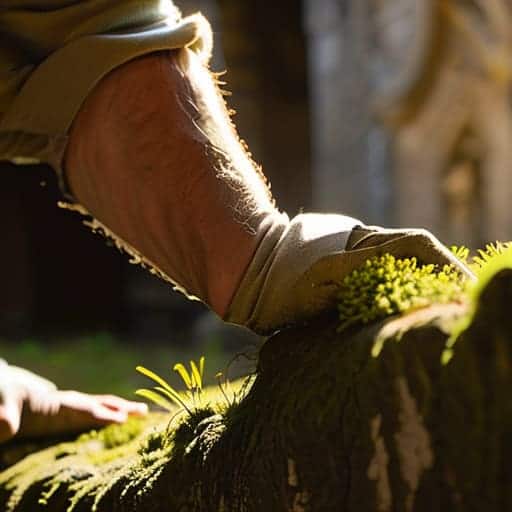
As we’ve explored, stepping into the world of heritage stonework isn’t just about the physical labor of scrubbing moss or resetting a weathered lintel; it’s about participating in a profound act of cultural stewardship. We’ve seen how these projects act as living classrooms, where the dust of the past meets the energy of the present, and how the communal effort of restoration builds bonds far stronger than any mortar. Whether you are uncovering the hidden narratives within a limestone facade or helping a local community reclaim its architectural identity, you are essentially weaving yourself into the very fabric of history, ensuring that these silent sentinels continue to tell their stories for generations to come.
So, the next time you pass an old, crumbling wall and feel that tiny spark of curiosity—the same one that used to drive me through the aisles of dusty libraries as a child—don’t let it fade. I like to imagine Socrates and Darwin sitting at my kitchen table, debating whether the soul of a building resides in its geometry or its grit, and honestly? I think the answer lies in the hands of those willing to care for it. I encourage you to find a local project and get your hands a little dirty. There is a unique, quiet magic in knowing that because you showed up, a piece of our shared human story remains standing tall against the tide of time.
Frequently Asked Questions
Do I need to be a seasoned mason to help, or can someone with zero experience dive right in?
Oh, I get this question all the time, and honestly? Please, don’t let a lack of experience hold you back! I often imagine Socrates arguing with a master builder about whether true wisdom comes from knowing the theory or feeling the grit of the mortar between your fingers. Most projects actually love beginners. They’ll teach you the ropes—literally—and provide the guidance needed. It’s more about your willingness to learn than your current skill set.
What kind of tools should I expect to use, and will there be someone there to guide my hands through the more delicate work?
Don’t worry, you won’t be left solo with a heavy mallet and a prayer! Most projects provide everything from gentle natural-bristle brushes for dusting away decades of grime to specialized chisels for precision work. More importantly, there’s always a seasoned mentor nearby. Think of it like a slow, rhythmic dance; they’ll be right there to guide your hands through those finicky, delicate carvings, ensuring you respect the stone’s history while you help restore it.
Beyond the physical labor, how does the local community actually interact with these restoration sites during a project?
It’s so much more than just a construction site; it’s a living, breathing neighborhood hub! I often imagine Socrates and Darwin arguing over the “social fabric” while I’m stirring risotto, and these sites are the ultimate proof of their theories. Locals often drop by for guided “dusty tours,” school groups bring wide-eyed students for history lessons, and even neighbors gather for weekend workshops. It becomes a shared sanctuary where the town’s collective memory is being carefully mended.