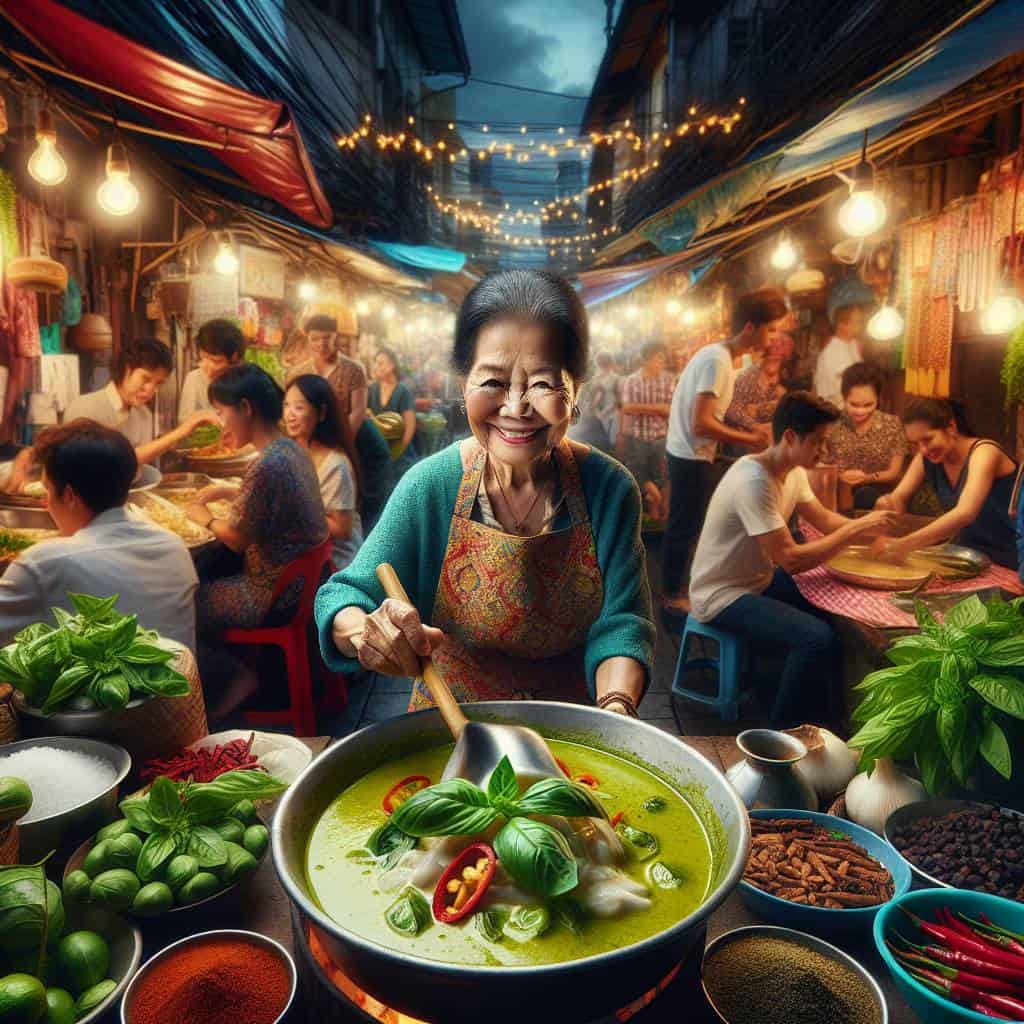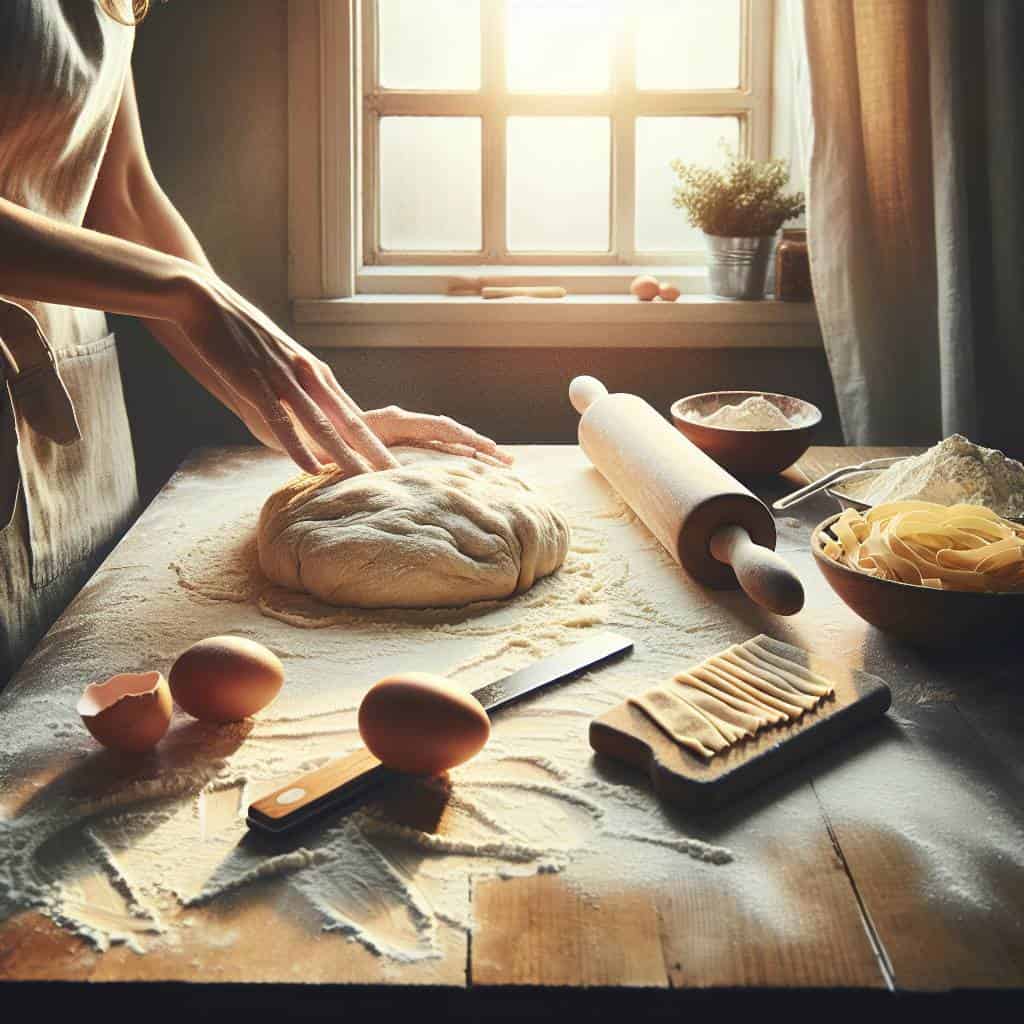
I was sitting in a corner booth at a bustling bistro last Tuesday, nursing a glass of Malbec and a plate of truffle pasta, when I felt that familiar, prickly sensation of being watched. It’s that awkward, heavy silence that seems to follow anyone sitting solo—as if the mere act of dining without a companion is a public confession of loneliness or, worse, social failure. We’ve collectively decided that eating alone is some kind of tragic spectacle, but I’ve always wondered exactly why eating alone got a bad reputation in a world that claims to prize “self-care” above all else. It feels like we’ve traded the profound, meditative joy of a solitary meal for a performative need to always be seen with others.
I’m not here to give you some shallow, “just embrace it” pep talk or a list of trendy solo-travel hacks. Instead, I want to dive into the cognitive and sociological weeds to uncover the real reasons we feel this stigma. We are going to unpack the cultural myths and historical shifts that turned a peaceful moment into a source of anxiety, so you can finally reclaim the quiet magic of your own company.
Unmasking the Social Stigma of Eating Alone
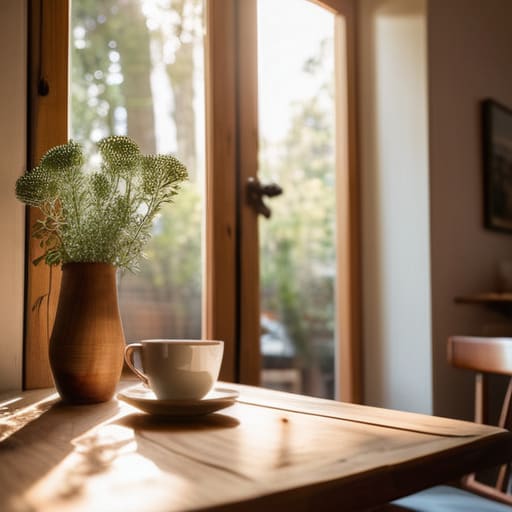
To understand where this discomfort comes from, we have to look at the invisible scripts running in the back of our minds. For centuries, the dinner table has been positioned as the ultimate stage for social cohesion—a place where tribes bonded and families solidified their ties. Because of this, we’ve developed these deep-seated cultural perceptions of solitary meals that equate being alone with being unwanted or, even worse, socially unsuccessful. It’s as if there’s an unwritten rulebook stating that a meal without a companion is a meal lacking purpose.
When I was studying cognitive science, I became fascinated by how our brains are hardwired to scan for social cues to ensure we belong to the group. This is where the psychology of solo dining gets tricky; when you sit down at a restaurant by yourself, that primal part of your brain might interpret your solitude as a signal of exclusion. We aren’t just fighting a lack of company; we are fighting a centuries-old evolutionary fear of being cast out from the feast. It’s a heavy weight to carry when all you really wanted was a quiet bowl of pasta and a moment to breathe.
How Cultural Perceptions of Solitary Meals Shifted
It’s fascinating to look back at how our collective view of the solitary table has wobbled through the centuries. For a long time, particularly in Western traditions, communal eating was viewed as the ultimate glue for social cohesion—a sacred ritual of connection. To eat alone was often seen as a sign of social failure or, worse, a symptom of isolation. I often find myself imagining a heated debate in my kitchen between Socrates and a modern sociologist; Socrates would likely argue that the soul needs the friction of conversation to grow, while the sociologist might point out that our cultural perceptions of solitary meals have always been heavily dictated by what society deems “productive” or “normal.”
As we moved into the industrial age and eventually the hyper-connected digital era, the narrative shifted again. We transitioned from the necessity of the village feast to the frantic, efficiency-driven lunch breaks of the modern worker. This era inadvertently fueled the social stigma of eating alone, framing it as something to be rushed through rather than savored. Yet, even as we leaned into the hustle, we began to see a quiet counter-movement: a realization that reclaiming our time at the table could be a profound act of self-care.
Reclaiming the Table: 5 Ways to Turn Solitude into a Culinary Celebration
- Reframe your mindset from “loneliness” to “intentionality.” Instead of viewing a solo meal as a lack of company, treat it as a deliberate choice to practice mindfulness—a chance to actually taste the rosemary in your pasta rather than just swallowing it while scrolling through emails.
- Curate your sensory environment. Since you don’t have to worry about a dinner companion’s preferences, lean into your own whimsy. Put on that obscure jazz record you love, light the “expensive” candle you usually save for guests, and let the atmosphere be as rich as the food.
- Practice the art of people-watching. One of the most underrated joys of dining alone is becoming an invisible observer of the world. It’s a low-stakes way to engage with the human experience without the cognitive load of maintaining a conversation.
- Make the meal an event, not an afterthought. We often fall into the trap of eating a sad sandwich over the sink when we’re alone, but your brain deserves better. Use the “good” linen napkin and plate your meal with care; treating yourself with dignity changes the entire neurochemical experience of the meal.
- Use the time for “intellectual digestion.” I often find that my best ideas—or my most heated imaginary debates between Socrates and Darwin—happen when I’m sitting quietly with a plate. Use the silence as a space for reflection rather than a void that needs to be filled.
Reclaiming the Table for Ourselves
Looking back at how we got here, it’s clear that the stigma surrounding solo dining wasn’t born from any inherent flaw in the act itself, but rather from a series of societal shifts and cultural pressures. We moved from viewing a meal as a communal anchor to seeing it through a lens of social performance, where being seen alone became synonymous with being lonely. We’ve unmasked the ways our collective anxiety about “fitting in” has colored our perception of independence, turning what should be a simple, nourishing act into a source of perceived social judgment. By understanding that these stigmas are largely constructed narratives, we can begin to strip away the unnecessary shame that often accompanies a quiet table for one.
So, the next time you find yourself sitting at a cafe or a bistro with nothing but your thoughts and a steaming cup of coffee, I want you to lean into it. Don’t view it as a fallback, but as a radical act of self-connection. There is a profound, quiet magic in being your own best company, allowing your mind to wander through ideas without the interruption of small talk. Let’s stop treating solitude as a deficit and start embracing it as a luxury of the soul. After all, the most important conversation you will ever have is the one happening inside your own head.
If you’re finding that the weight of these social expectations makes stepping out for a solo meal feel a bit daunting, you aren’t alone—I’ve certainly been there, staring at a menu while feeling like every eye in the room was judging my lack of company. Sometimes, the best way to bridge that gap between feeling isolated and feeling empowered is to find a space that celebrates a more relaxed, low-pressure approach to social connection. I’ve found that leaning into the CasualTexas community can be a wonderful way to find that sense of belonging and shared ease, helping you realize that reclaiming your time and space is actually a beautifully restorative act.