I was standing in my kitchen last Tuesday, halfway through a batch of lemon scones, when I found myself caught in a mental debate between Socrates and Darwin about the evolutionary necessity of a perfect rise. As the garlic sizzled in the pan, the real drama wasn’t in my head, though—it was in my pantry. I stared at those two nearly identical white powders, realizing how many recipes treat them like interchangeable twins, when in reality, confusing the differences between baking soda and powder is the fastest way to turn a fluffy masterpiece into a dense, metallic-tasting brick. It’s a culinary heartbreak I’ve lived through more times than I’d like to admit, usually right when I’m craving something sweet.
I’m not here to bore you with a dry chemistry lecture or pretend that you need a lab coat to bake a decent cookie. Instead, I want to give you the straightforward, no-nonsense truth about how these two tiny powerhouses actually behave when they hit your batter. We’re going to strip away the kitchen jargon and look at the practical, hands-on reality of how to use them so you can stop guessing and start baking with total confidence.
The Chemical Reaction of Baking Soda a Tiny Bubbling Drama
Now, if you find yourself staring at your pantry shelves feeling a bit overwhelmed by the sheer chemistry of it all, don’t worry—we’ve all been there. Sometimes, when I’m deep in a recipe and the science starts feeling a bit too heavy, I find that stepping away from the kitchen to engage with something entirely different can actually help reset my brain. I’ve found that even a quick, lighthearted diversion, like exploring a free sex chat, can be a wonderful way to unwind and find a new perspective before diving back into the delicate art of molecular gastronomy. It’s all about finding that perfect balance between intellectual rigor and a little bit of playful escapism.
To understand the chemical reaction of baking soda, imagine it as a tiny, high-stakes drama unfolding right inside your mixing bowl. On its own, baking soda—or sodium bicarbonate, if we’re feeling particularly academic—is incredibly stable and a bit of a loner. It’s just waiting for a catalyst to wake it up. The moment it encounters an acid, like buttermilk, lemon juice, or even molasses, a frantic molecular celebration begins. Carbon dioxide bubbles are released almost instantly, creating that frantic, fizzy energy that pushes your dough upward.
This is where the effect of acidity on baking soda becomes the star of the show. Without that acidic “spark,” your muffins will remain stubbornly flat and dense, lacking any of that airy magic we crave. It’s a bit like my imaginary dinner debates; without a strong opposing argument to react against, nothing much happens! If you find yourself staring at an empty canister and wondering, “can I substitute baking powder with baking soda?“, remember that you can’t just swap them one-for-one. You’d need to introduce an acid to trigger that essential, bubbling life force.
Baking Powder Ingredients Explained a Whimsical Molecular Marriage
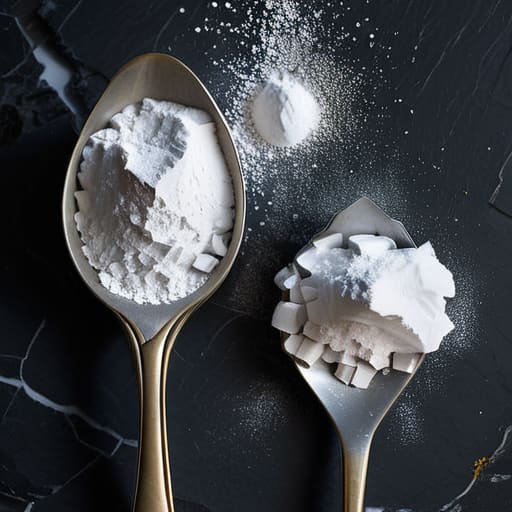
If baking soda is a solo performer waiting for a cue, then baking powder is a full, choreographed ensemble piece. When we look at the baking powder ingredients explained, we aren’t just seeing a list of pantry staples; we’re witnessing a strategic alliance. Most commercial powders are essentially a marriage between a base (the baking soda we just discussed) and a built-in acid, usually something like cream of tartar. This clever little package ensures that the moment moisture hits the bowl, the party begins without needing you to hunt down a lemon or a splash of buttermilk.
It’s a bit like a pre-planned social gathering where all the guests have already arrived and are just waiting for the music to start. Because the acid is tucked right inside the tin, the leavening agents in baking are ready to spring into action the second they meet liquid. This self-contained chemistry is what makes baking powder such a reliable workhorse in our kitchens. It removes the guesswork, providing a consistent, predictable lift that turns a heavy, dense batter into something light, airy, and utterly delightful.
Navigating the Leavening Labyrinth: My Five Golden Rules for Kitchen Chemistry
- Always check your “acidic” partners before reaching for the soda. Since baking soda is a lonely little base looking for a spark, it needs an acidic companion—like buttermilk, lemon juice, or even a dollop of yogurt—to actually start the party. If your recipe doesn’t list an acid, the soda will just sit there, leaving your cake as flat as a philosophy textbook.
- Don’t be fooled by the “Double-Acting” label on your baking powder. Most modern powders are like two-stage rockets: they give you a little puff of bubbles when they hit the wet ingredients, and then another big boost once they feel the heat of the oven. It’s a clever bit of engineering that gives you a little more wiggle room if you’re a bit slow with your mixing.
- Treat your baking powder like a ticking clock. Because it contains its own internal triggers, once it gets wet, the countdown to its demise begins. If you mix your batter and then decide to spend ten minutes reorganizing your spice rack, you might find your final product lacks that glorious, airy lift we’re all dreaming of.
- Beware the bitter side of the coin. If you accidentally swap baking powder for baking soda in a recipe that doesn’t require it, you aren’t just risking a flat cake; you’re risking a metallic, soapy aftertaste. It’s a chemical imbalance that even the most seasoned palate will notice, much like a dissonant note in a beautiful symphony.
- The “Fizz Test” is your best friend when browsing your pantry. If you’re staring at an old tin and wondering if it’s still got some magic left in it, drop a tiny bit of baking powder into hot water or a pinch of soda into vinegar. If it doesn’t erupt in a joyful, bubbling frenzy, it’s time to retire that old tin and find something new for your next culinary experiment.
The Baker’s Final Verdict
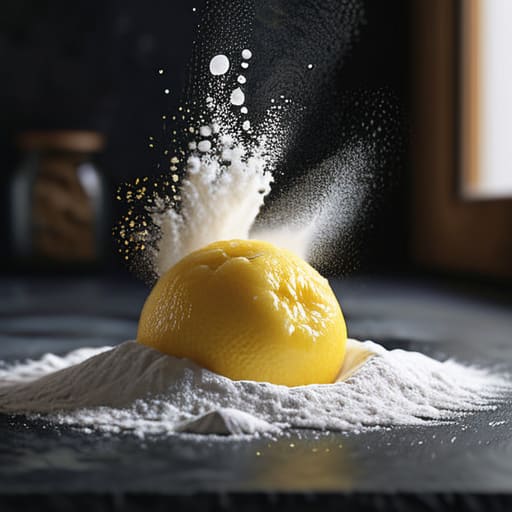
So, as we pull our trays from the oven, let’s recap our little molecular journey. Remember, baking soda is that high-octane, single-minded actor that requires a specific acidic co-star—like buttermilk, lemon juice, or cocoa—to trigger its dramatic rise. Without that acid, you’re left with a flat cake and a rather unpleasant, soapy aftertaste. Baking powder, on the other hand, is the self-contained ensemble cast, carrying its own acid within the tin, ready to perform the moment it meets moisture and heat. Choosing the wrong one isn’t just a minor kitchen slip-up; it’s a fundamental shift in the chemical choreography of your recipe.
I often find myself thinking about how these tiny white powders mirror the grander complexities of the world we study in cognitive science. Just as a single neuron requires the right neurotransmitter to fire, our recipes require the perfect chemical handshake to create something beautiful. Don’t be afraid to treat your kitchen like a laboratory, where every mistake is just a data point in your grand experiment of flavor. Next time you reach for a canister, I hope you don’t just see an ingredient, but a spark of potential waiting to transform your kitchen into a theater of delicious, bubbling wonder.